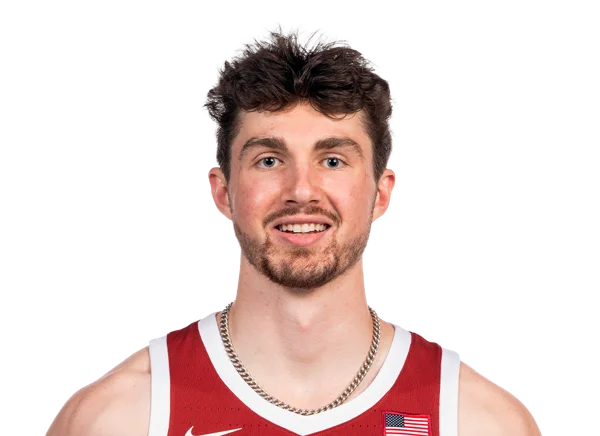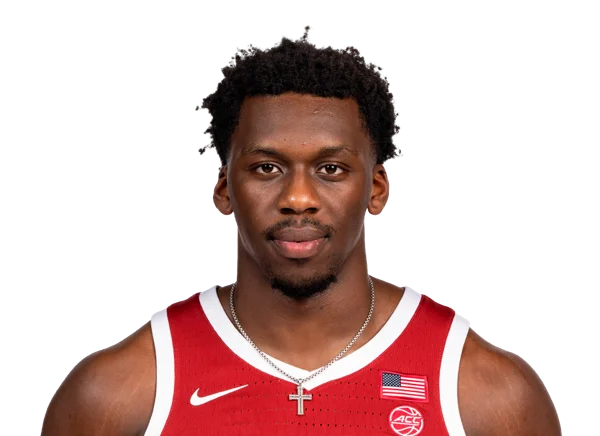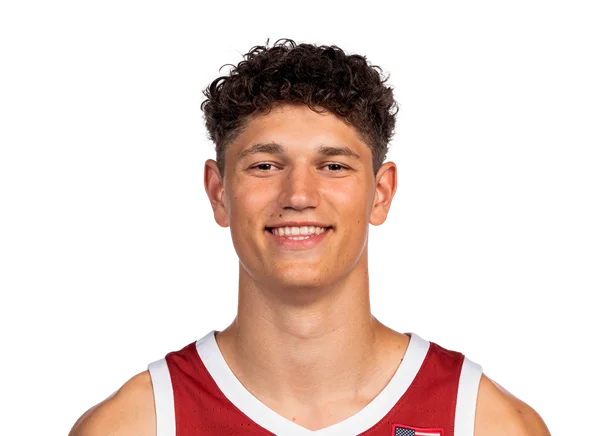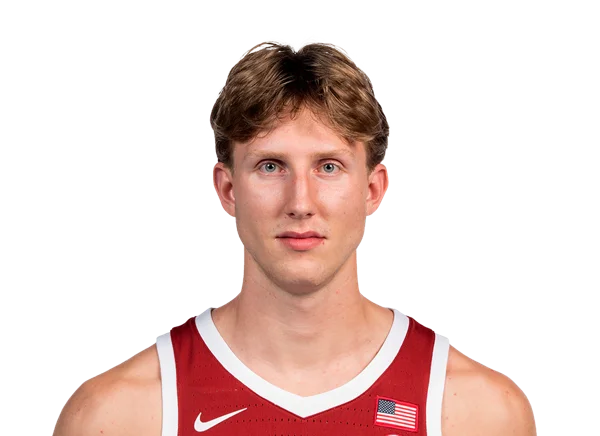
Stanford basketball's crowning achievement came in 1942, when the Cardinal — then the Indians — won the national championship, still the program's only title. But the 2026–27 season might be remembered as the year the long road back finally arrived. Kyle Smith's third Stanford team enters the fall with a top-25 recruiting class, a proven transfer haul, and one goal that has eluded the Farm for more than a decade: the NCAA Tournament.
Smith has been a metronome. He is the first coach in program history to win 20 or more games in each of his first two seasons, and one of just five ACC coaches — alongside the bosses at Duke, North Carolina, Louisville and Clemson — to finish .500 or better in conference play in each of the last two years. Last season's 20-13 finish, 9-9 in the ACC, ended just short of the bubble and closed with an overtime loss to West Virginia in the College Basketball Crown in Las Vegas. Progress, but not the breakthrough.
The cruelest twist of the summer: the breakthrough's building block got away. Ebuka Okorie, the hidden-gem freshman point guard Smith unearthed when he wasn't even the top recruit in New Hampshire, blossomed into a star, stayed in the NBA Draft — and went 17th overall. ESPN's preseason autopsy put it bluntly: Okorie could have been a national player of the year candidate this season. Instead, Smith starts over.
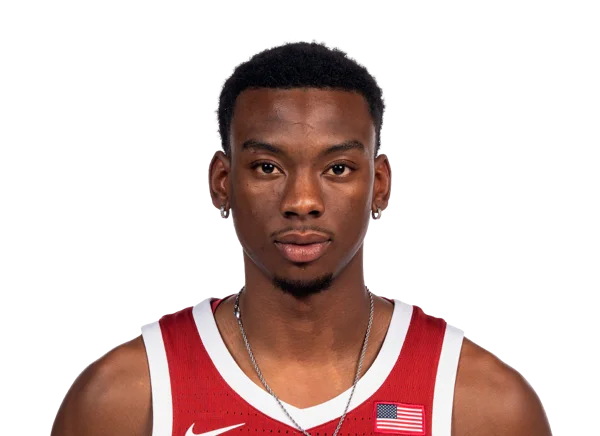
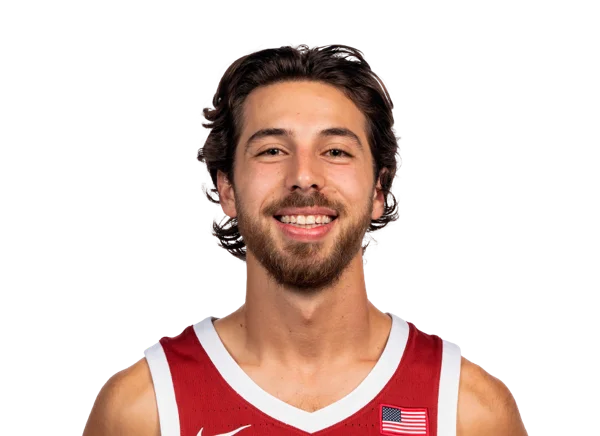
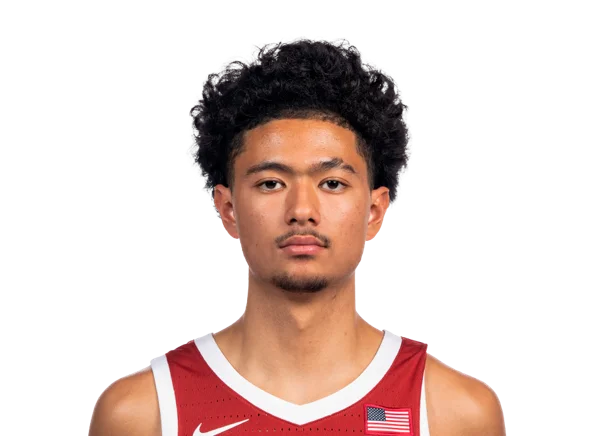
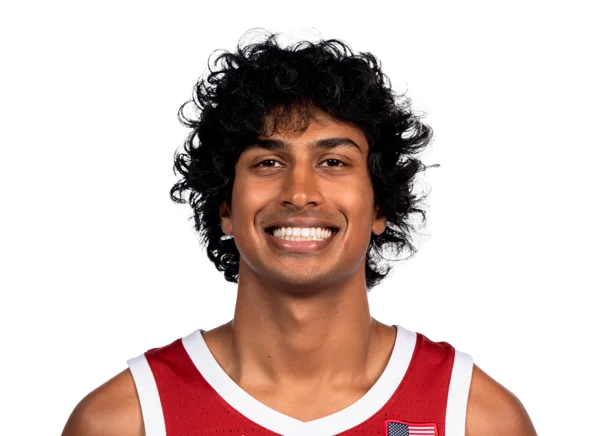
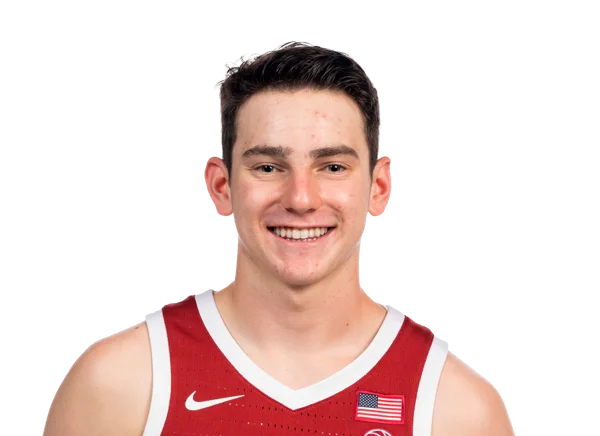
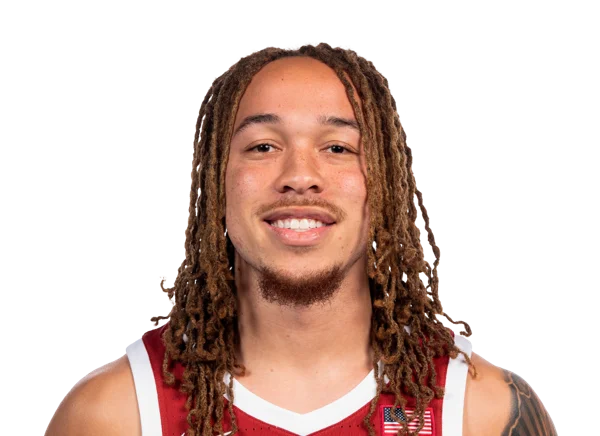
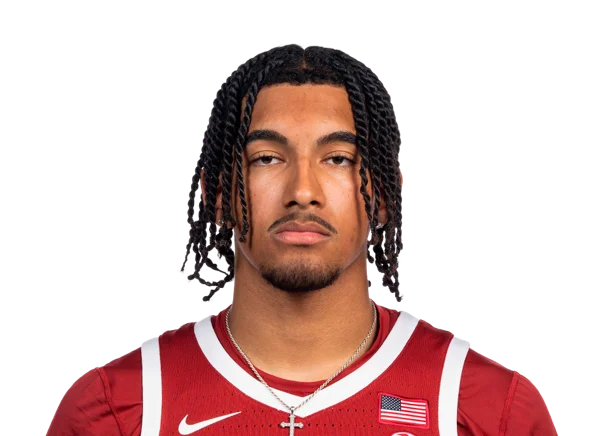
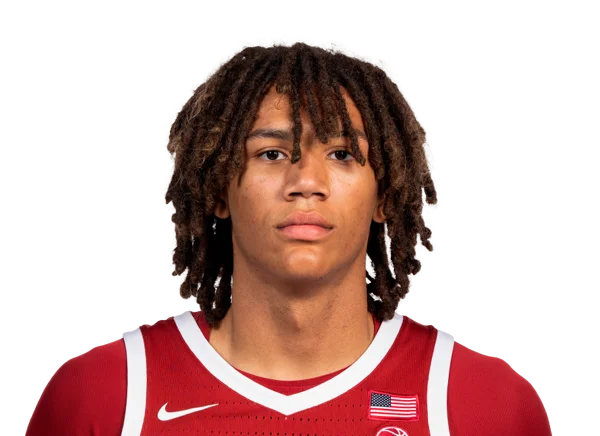
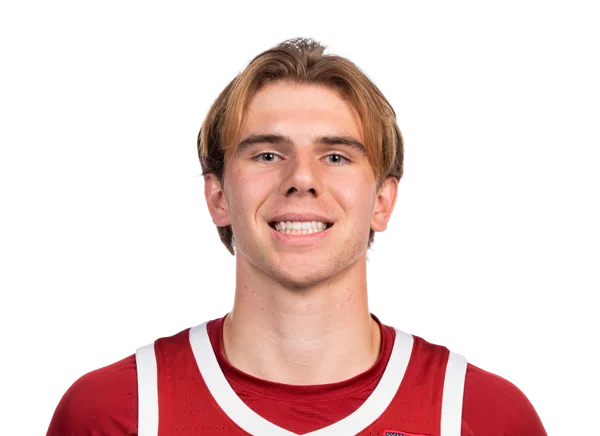
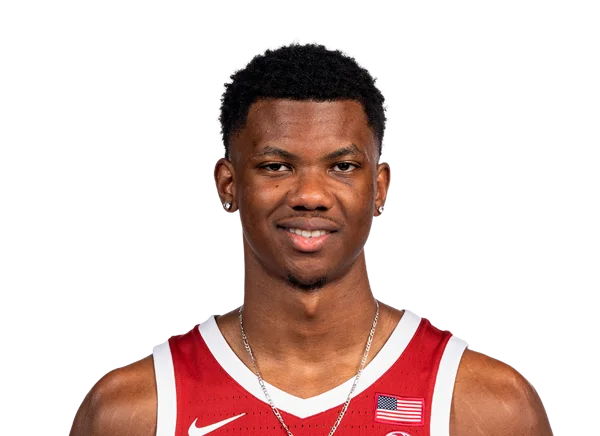
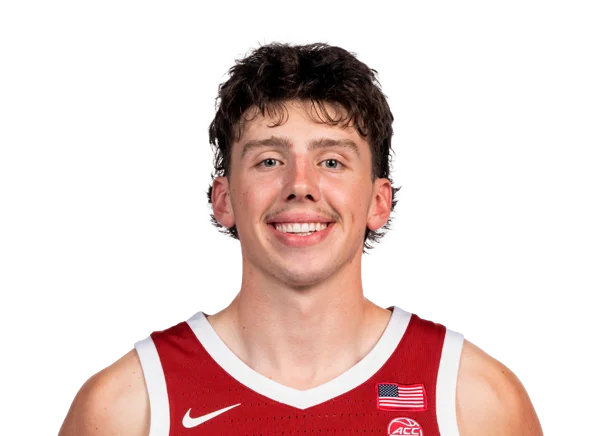
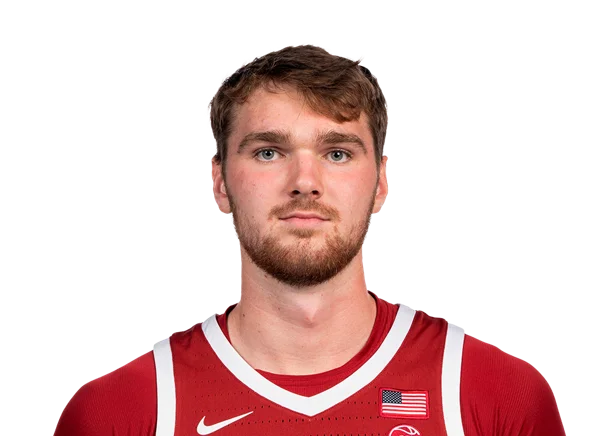
He starts over with the best recruiting class of his tenure. The headliner is Aziz Olajuwon, a four-star wing and the son of Hall of Famer Hakeem Olajuwon — who chose Stanford over his father's alma mater, Houston. Four-star point guard Isaiah Rogers arrives with playmaking and scoring polish that has drawn Trae Young comparisons. Julius Price is a three-level scorer with a pure stroke, Elias Obenyah brings defensive versatility, and up front Austin Maurer, Drew Anderson and Nick Townsend add the size and rebounding the Cardinal lacked a year ago. The portal delivered proven pieces too: Nick Townsend, the Ivy League Player of the Year at Yale, is the kind of grown-man addition that can lift a team into the top half of the ACC.
The holdovers give Smith a spine. Senior center Aidan Cammann finished last season with double figures in five of his last seven games, and junior forward Donavin Young was second on the team in blocked shots. The identity is already set: Stanford finished top-four in the ACC in steals a year ago, and the new length should make the defense even better. The question is whether the freshman guards can run an ACC offense from day one — and whether anyone can replace Okorie's late-clock creation.
The league office did Stanford no favors. The Cardinal open ACC play at Notre Dame on December 30 — the same Notre Dame team that held Stanford to 40 points in a win last season — then face road trips to Duke and North Carolina in January and close the regular season at home against rival Cal on March 6. ESPN's floor-and-ceiling exercise pegs the Cardinal between 18 and 22 wins, between 12th and 8th in the ACC — the NCAA Tournament firmly in play if the young guards hit.
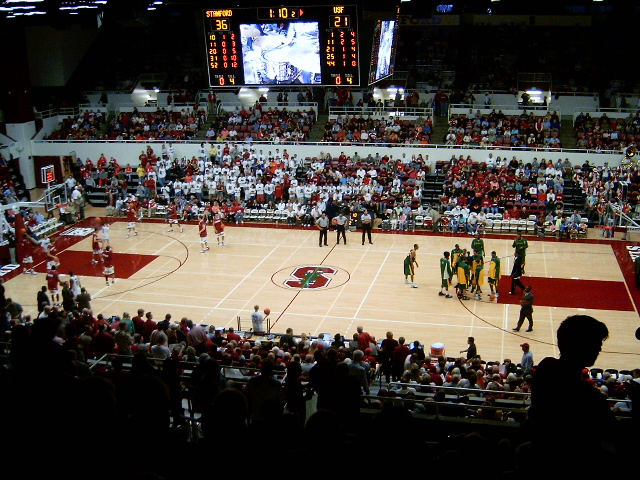
The history says it can be done here, and done at the highest level. Mike Montgomery's late-90s and early-2000s teams made Stanford a national power: the 1998 Final Four, the Lopez twins, Josh Childress, Casey Jacobsen, and a program that felt like it belonged in every title conversation. The 2014 Sweet 16 under Johnny Dawkins is the program's last real March moment. Maples Pavilion, tucked into one of the most beautiful campuses in America, has waited long enough for another one.
What defines Stanford basketball right now is the convergence: a coach who has won everywhere he's been, a roster with more balance than any Smith has had on the Farm, and a freshman class with genuine star power — including a surname that carries its own legend. The Cardinal open the season November 2 against Eastern Washington at Maples. Twelve years without the NCAA Tournament is long enough. This is the year the drought is supposed to end.
The drought hasn't always defined this program — there was a time Stanford was the standard. Montgomery's teams didn't just win; they recruited at an elite level and played a beautiful, disciplined brand of basketball that made Maples one of the toughest road trips in America. The 1998 Final Four team, led by Brevin Knight and Mark Madsen, took Kentucky to the wire in San Antonio. The early-2000s squads with the Lopez twins and Josh Childress were preseason top-five material. Getting back to that isn't nostalgia — it's the institutional memory Smith is trying to reactivate, with the admissions office, the campus, and the Bay Area all waiting for a reason to care again.
November will tell the story early. The Cardinal open at home against Eastern Washington on November 2, stay home for Oakland and Rice, then head to Las Vegas for a rematch with UNLV — which edged Stanford by a single point last season. The non-conference slate is deliberately manageable, built to let the freshman guards find their footing before the ACC meat grinder. If Rogers looks like the playmaker of his billing and Olajuwon looks like the future pro, the conversation around this team changes fast. Twelve years is a long time to wait. The Farm is done waiting.