The California Golden Bears own one of college basketball's immortal achievements: the 1959 national championship, won by Pete Newell's precision machine, the only basketball crown in school history. The banner hangs in Haas Pavilion and watches over everything — the golden age, the droughts, the near-misses, and now, a rebuild that finally feels real. After winning 22 games in 2025-26 — the program's most since 2016 — Cal enters year four of the Mark Madsen era believing the next banner is not a fantasy but a plan.
The Newell era remains the program's north star. Newell, a Hall of Fame coach whose influence on the game itself is immeasurable, took Cal to back-to-back national title games, winning in 1959 and falling to Ohio State in 1960. His teams played with a cutting-edge precision offense, and his coaching tree spread his principles across the country. In Berkeley, the two-year run proved '59 was no fluke: the Bears were a genuine national power, the West's standard-bearer, and the foundation of a program with more than a century of history.
The modern icon is Jason Kidd. His two seasons in Berkeley (1992-94) were pure magic — the no-look passes, the triple-doubles, the 1993 Sweet 16 run that remains the program's modern March peak. Kidd became an NBA Hall of Famer and a championship-winning coach, but in Berkeley he's the beloved son who put Cal back on the map. Every great Cal guard since has been measured against the standard he set, and the program's NBA lineage — from Kidd through the 2010s talent pipeline — is a point of enduring pride.
The Madsen era began in March 2023 with the program at rock bottom: a 3-29 season, the worst in school history, and a roster that needed a total teardown. Madsen, the former Stanford star and NBA veteran, attacked the rebuild through the transfer portal and sheer energy. Year one brought a 10-win improvement to 13-18 and the first sellout at Haas Pavilion in seven years — 11,801 fans for the February 2024 game against USC. Year two brought the move to the ACC and 14 wins. And year three brought the breakthrough: 22-12, a 9-9 ACC record, an NIT appearance, the most wins in a season since 2016, and the program's first postseason victory since 2014. Madsen signed a contract extension through 2029-30 along the way, and Berkeley bought in.
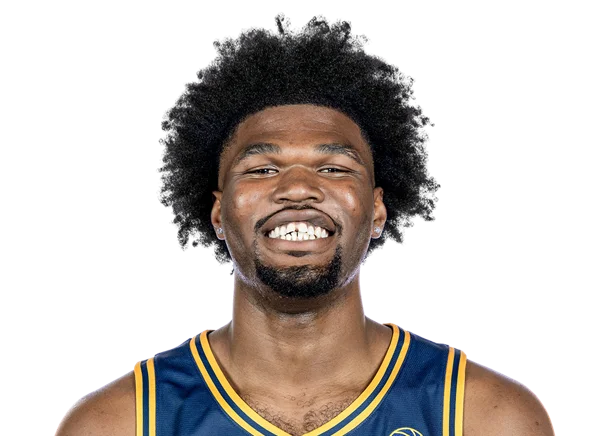
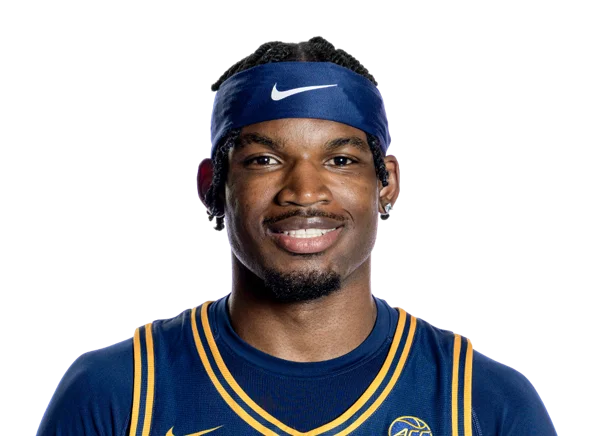
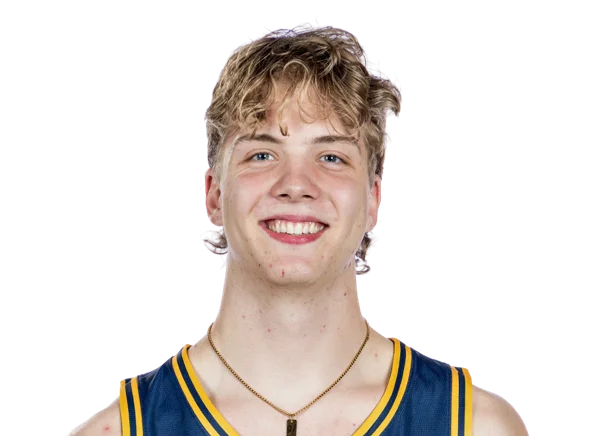
Now comes the hardest part of any rebuild: sustaining it. Cal lost its top four scorers from the 22-win team — Dai Dai Ames, Justin Pippen, Chris Bell, and John Camden combined for 58 points per game, nearly three-quarters of the team's offense. Ames transferred to Tennessee; Pippen, after one season in Berkeley, moved on to Ohio State; Bell and Camden graduated. Replacing 75 percent of your scoring in the portal era is the new normal, but it's still the defining challenge of the 2026-27 season.
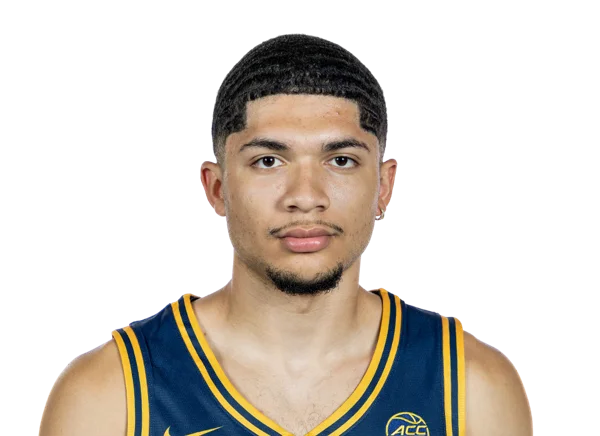
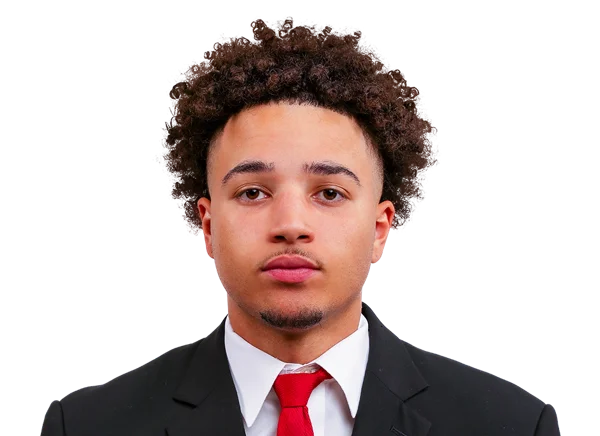
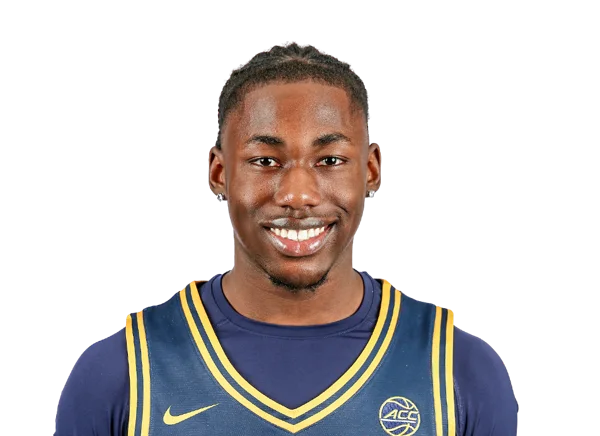
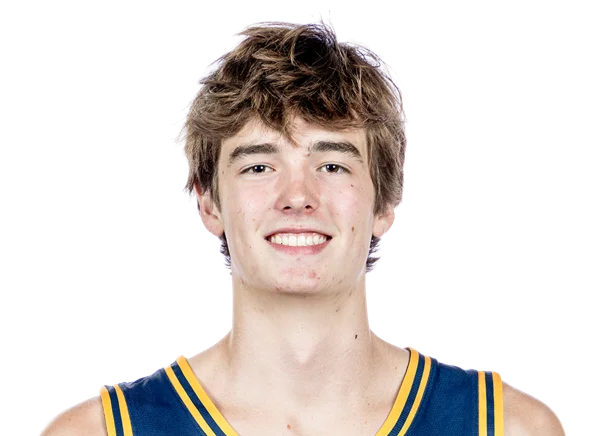
Madsen's answer is a rebuilt roster mixing proven transfers with international upside. Guard Jordan Ross headlines the newcomers — a 6-foot-3 guard who began his career at nearby Saint Mary's, where he helped the Gaels reach back-to-back NCAA tournaments, before starting 25 games at Georgia last season. Forward Lee Dort returns for his third season at Cal after two at Vanderbilt; the 6-foot-10 forward started 26 games last year, ranked among the nation's best defensive rebounders, and spent the summer dominating for Haiti at the FIBA Americas Caribbean Pre-Qualifiers, where he averaged a double-double as the event's top rebounder. Lithuanian 6-foot-10 freshman Dominykas Daubaris, a standout at the 2025 FIBA U18 EuroBasket, adds skilled size, while freshman guard-forward Dionycius Bakare and transfers Michael Cooper, Nojus Indrusaitis, Nicolas Mitrovic, and Jake Wilkins give Madsen depth and options. Ross and Dort will represent the Bears at ACC Tipoff in Charlotte on October 6, with Madsen joining remotely.
The schedule gives the new group no easing-in period. Cal's 18-game ACC slate opens with a brutal Carolina swing: at North Carolina on December 30, then at Duke on January 2 — the Dean Dome followed by Cameron Indoor, where the Blue Devils will likely open the season ranked in the top five. The Bears' first conference home game comes January 6 against Florida State, followed by Virginia on January 9. The nonconference slate includes Houston, Vanderbilt, and USC. And the Bay Area rivalry with Stanford — one of the great academic rivalries in sports — gets two chapters this season: January 23 at Haas Pavilion, and the regular-season finale on March 6 at Maples Pavilion.
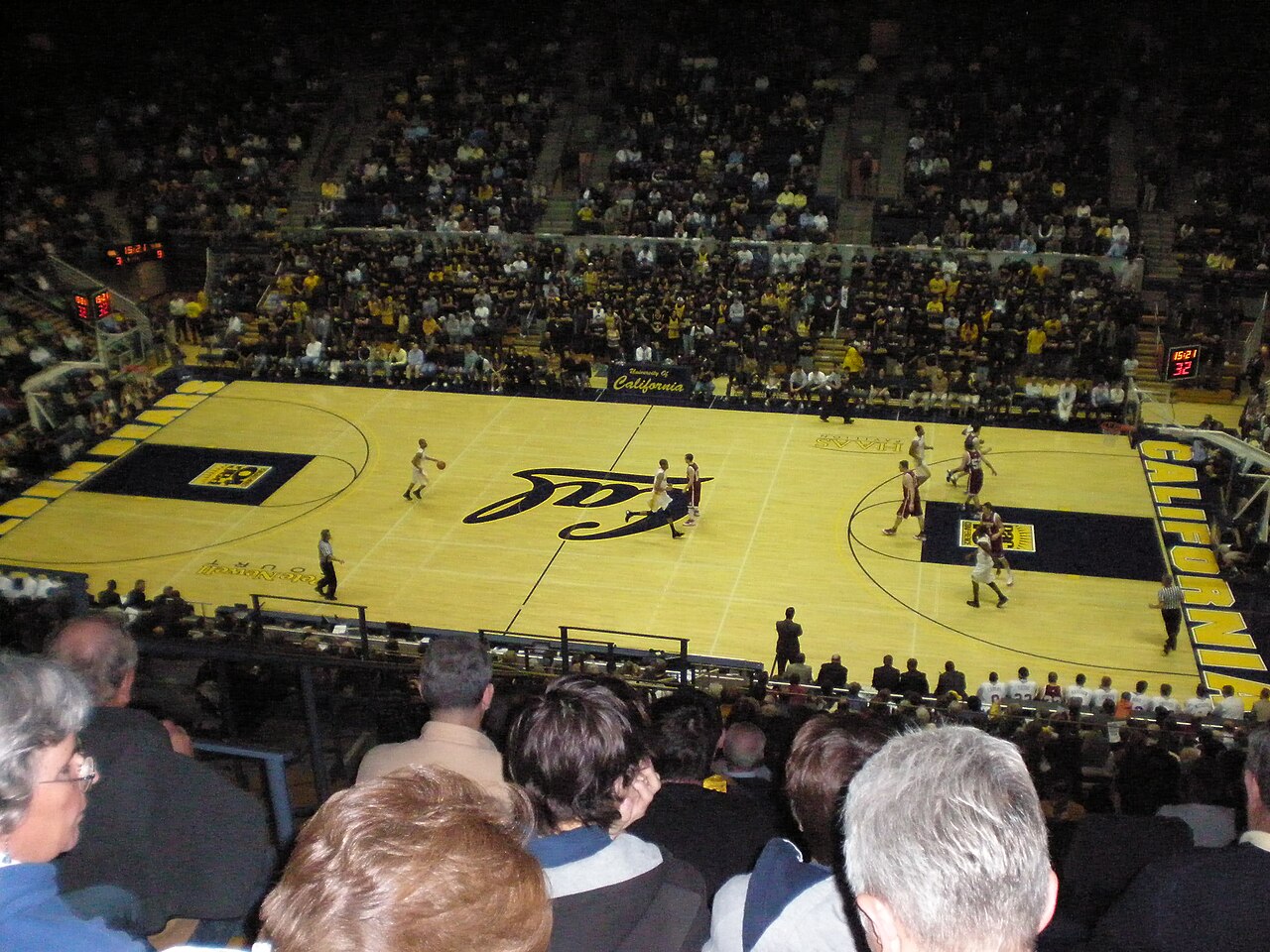
Haas Pavilion remains the program's beating heart. The 11,801-seat arena on the Berkeley campus, nicknamed the 'Haas of Pain' when it's full, gives the Bears a genuine home-court edge when the team is good — and Madsen has made re-energizing it a personal mission. Attendance has climbed every year of his tenure, and the student section's intensity has returned to something resembling the building's best eras.
The goal for 2026-27 is unambiguous: end the NCAA Tournament drought, which stretches back to 2016. Madsen has been open about the ambition, telling reporters the program's sights are set on 30 wins and a March run. It's a lofty target for a team replacing its entire offensive core, but the trajectory — 13 wins, 14 wins, 22 wins — is the kind of arrow every athletic director dreams of. In Berkeley, the '59 banner is both inspiration and burden: proof of what's possible, and a reminder of how long the wait has been.
What defines California is the chase: a blue-blood history, a beloved modern icon in Kidd, and a present-tense rebuild that has the program's best momentum in a decade. The Golden Bears' story has always been about reclaiming glory. Under Madsen, for the first time in years, the reclaiming looks like it's actually happening.