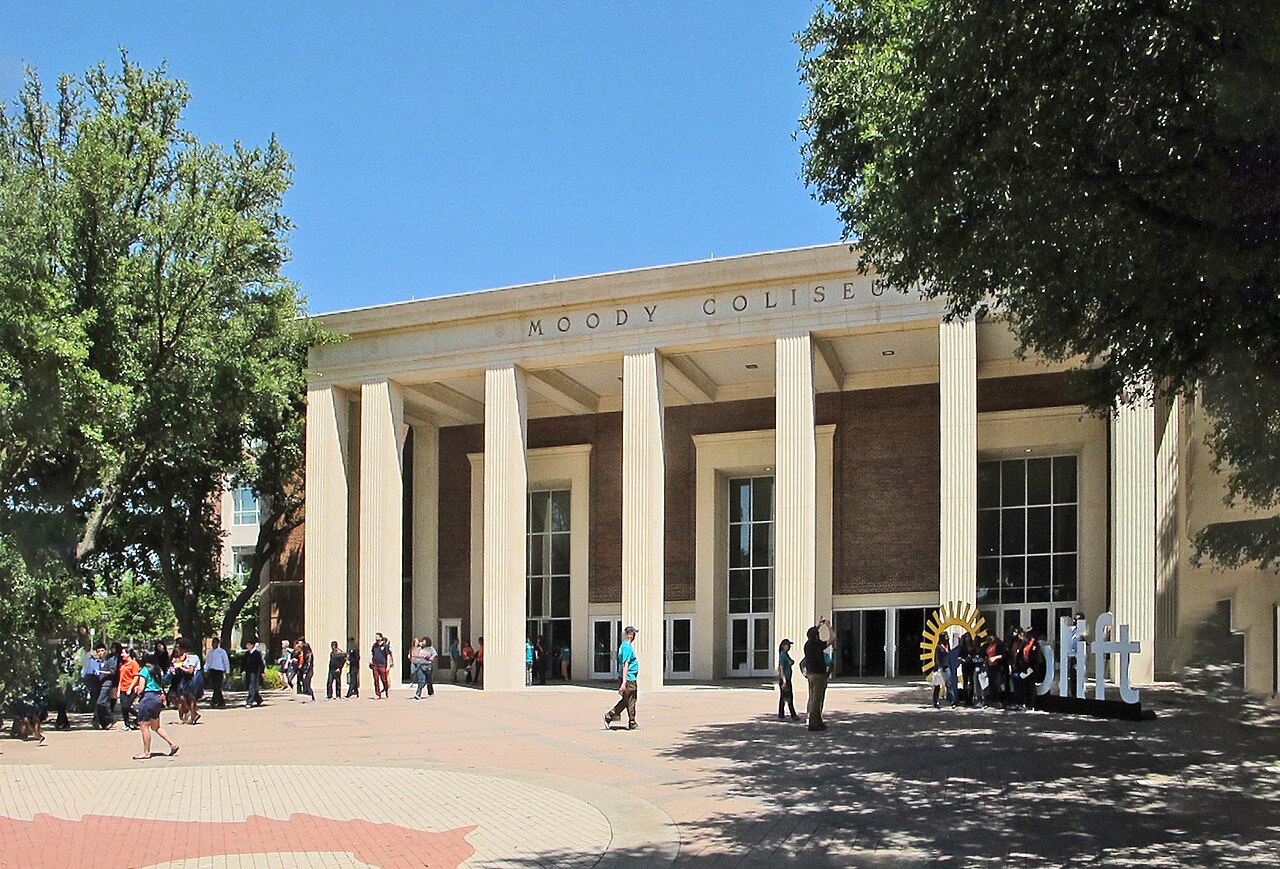
SMU basketball's glory days came in the Southwest Conference's golden age. In 1956, the Mustangs — led by All-American Jim Krebs — reached the Final Four, still the program's only trip to the national semifinals. Coach Doc Hayes built a Texas power through the 1950s and 60s, and the 1956 banner hangs over everything at Moody Coliseum. For decades, that was the whole story: a proud, distant past and a program that had faded from the national conversation.
The modern renaissance came under Larry Brown, the Hall of Fame coach who took over in 2012 and turned SMU into a national story within two seasons. The 2015 Mustangs were robbed of a tournament win by one of the great officiating controversies in March history — a goaltending call against UCLA with seconds left that replays showed was dead wrong, ending SMU's season 60-59. The program rolled on anyway: AAC dominance, NBA lottery picks, and the kind of buzz Dallas hadn't felt for college hoops in decades. When Brown left, the standard stayed: this is a program that expects to matter.
The newest era began in 2024, when SMU joined the ACC — college basketball's bluest-blooded league — and hired Andy Enfield away from USC. Enfield, the Florida Gulf Coast "Dunk City" miracle man who then won five NCAA tournament trips with the Trojans, was the perfect pick for the moment: a builder with a brand. The Mustangs announced themselves properly in 2025-26, making their return to the NCAA tournament and proving they could win at this level. Now, in year three, comes the consolidation season — and Enfield has built it around one of the boldest recruiting philosophies in the country.
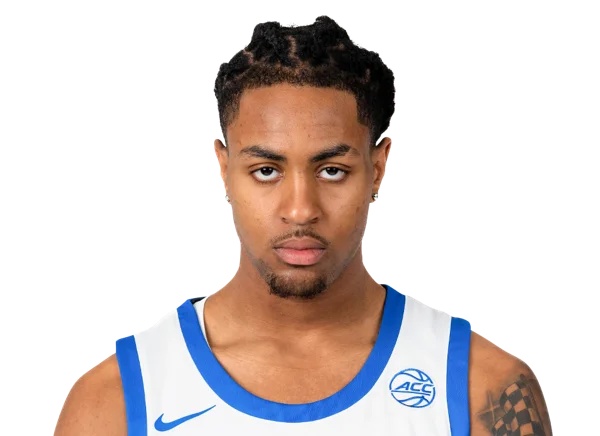
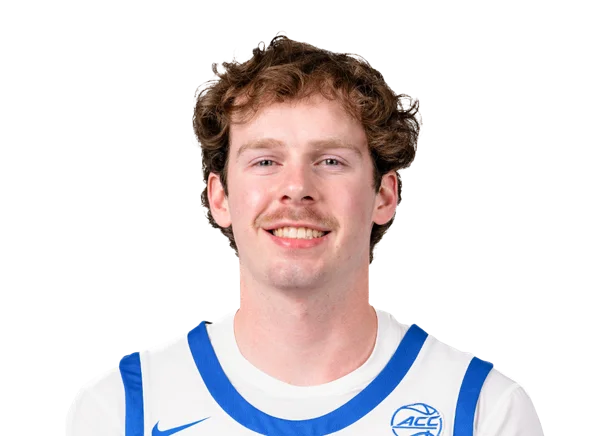
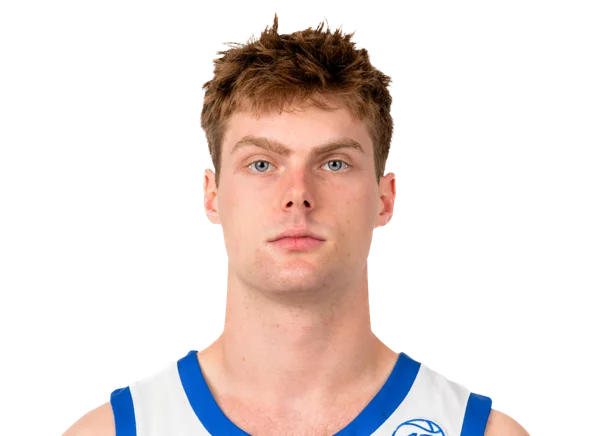
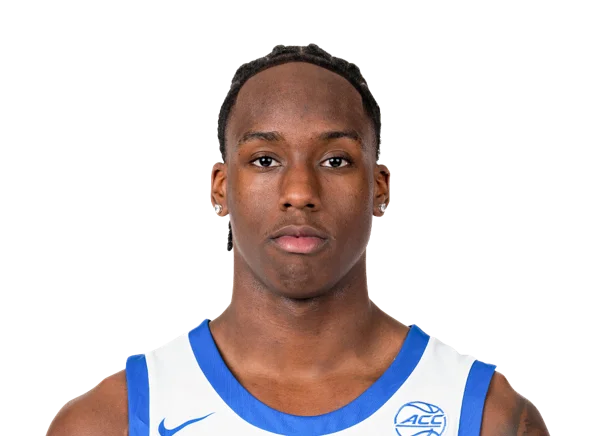
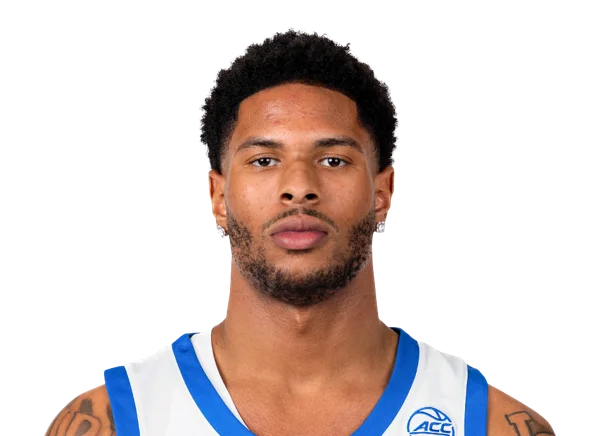
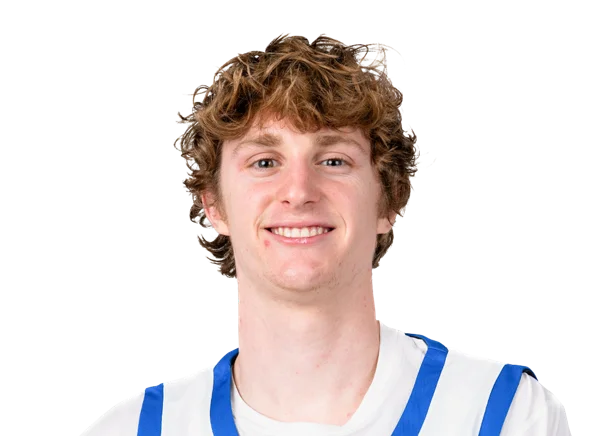
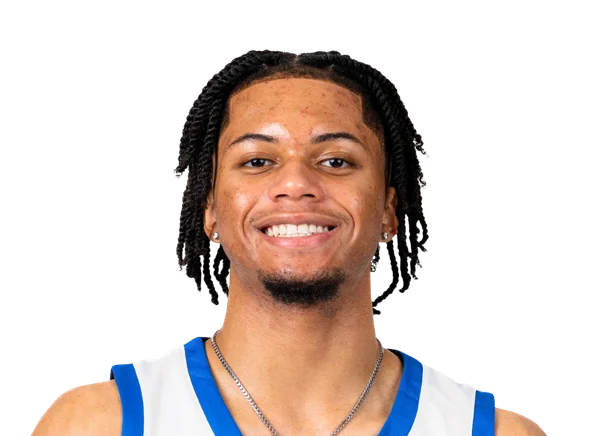
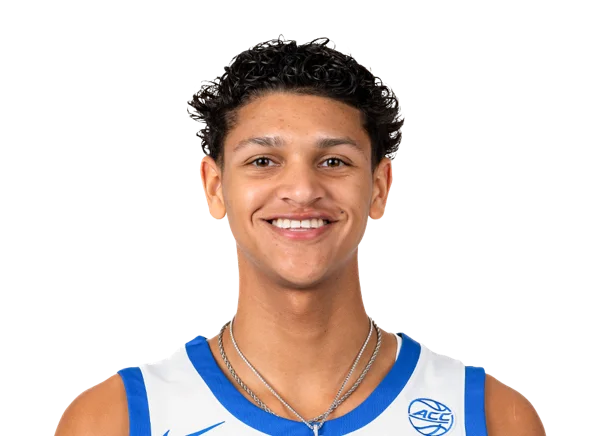
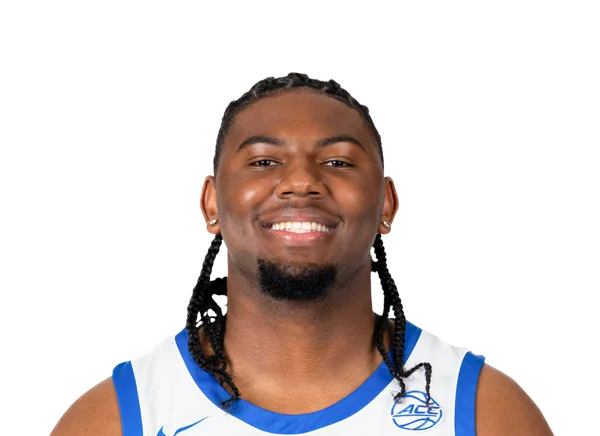
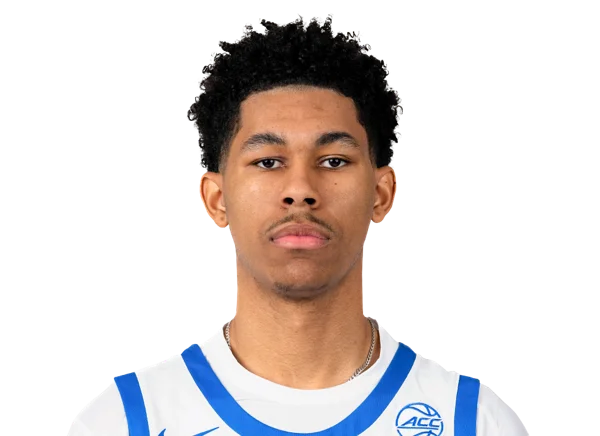
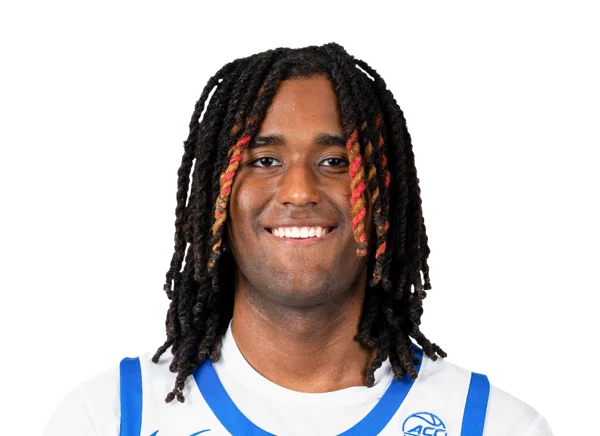
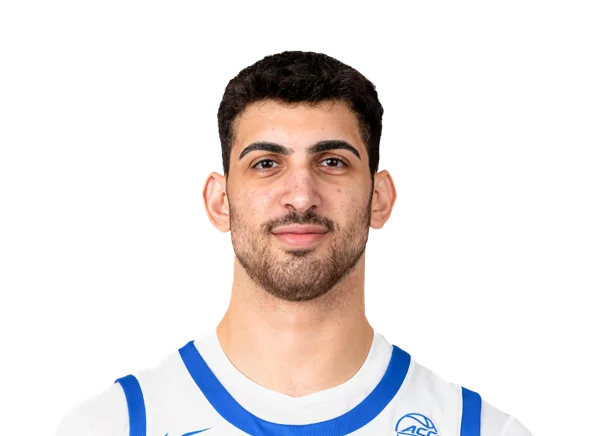
Enfield went young — intentionally. More than half the roster is freshmen, a top-10 recruiting class nationally, and the coach has been explicit about the plan: bring in elite talent, develop it, and fill gaps through the portal. The sophomore to watch is 6-foot-10 Jaden Toombs, the class's best player and a possible starter sidelined by injury to start last season; SMU believes his second year is a breakout waiting to happen. The freshmen — Chance Puryear (Dallas), Jermaine O'Neal Jr., Nigel Walls, Billy White III, B.J. Davis-Ray, Mitchell Holmes — all carry NBA prospect ceilings, and in a program trying to build a brand, the youth movement is the brand.
The veterans are the bridge. Rowan Brumbaugh transferred in from Tulane after averaging more than 19 points a game — he tested the NBA draft waters, withdrew, and chose Dallas, which tells you everything about the recruiting pitch. David Terrell Jr. comes home from North Texas as a 13.5-point scorer and backcourt weapon. Jaylin Stewart arrived from UConn, bringing championship pedigree from Dan Hurley's program. The frontcourt imports — 6-foot-11 Johan Munch (Oregon State), 6-foot-6 shooter Jacob Patrick (Utah), Nic Codie (Texas), Gehrig Normand (Santa Clara/Michigan State) — give Enfield size and versatility. A late-September addition with NBA ties had his eligibility still being sorted as camp opened — the kind of high-upside swing that defines this roster.
What defines SMU in 2026-27 is the gamble itself. This is one of the youngest rosters in the ACC, and the whole season is a bet that veteran leadership (Brumbaugh, Terrell, Stewart) can carry the early load while the freshmen grow up fast. The offense should hum — SMU has been a top-25 scoring outfit at its best — and the schedule offers real measuring sticks, including a home date with Duke and a March test at Miami. The backcourt of Brumbaugh and Terrell could be one of the ACC's best; the frontcourt is the question mark, with Toombs, Munch and the young bigs needing to produce.
For Dallas, this team is also a recruiting weapon. The Mustangs have always won by selling opportunity — playing time, development, and a spotlight in a major market — and Enfield's pitch is built for the modern game: come to Dallas, play early in the ACC, and grow into an NBA prospect. The early returns suggest it works. SMU's 2027 recruiting board is already active, with national names like Malik Olajuwon committing to the program's future. Moody Coliseum on a big night — the student section packed, the whole building bouncing — is one of the best environments in the conference when the Mustangs are winning, and keeping it full is what this season is about.
The broader story is Dallas's place in the ACC. SMU doesn't have the tradition of Duke, North Carolina or Louisville — it has Moody Coliseum, one of the country's great basketball rooms when it's packed, and a fan base that showed during the Larry Brown years how loud this town gets for a winner. Enfield is building SMU into a brand "like some of the fellow conference members in the ACC," in his words — and brands are built on nights like the Duke game, when the whole league is watching. Year three of the ACC era is about permanence: the Mustangs aren't visitors anymore. They're trying to become a fixture, and they have the young talent to do it.