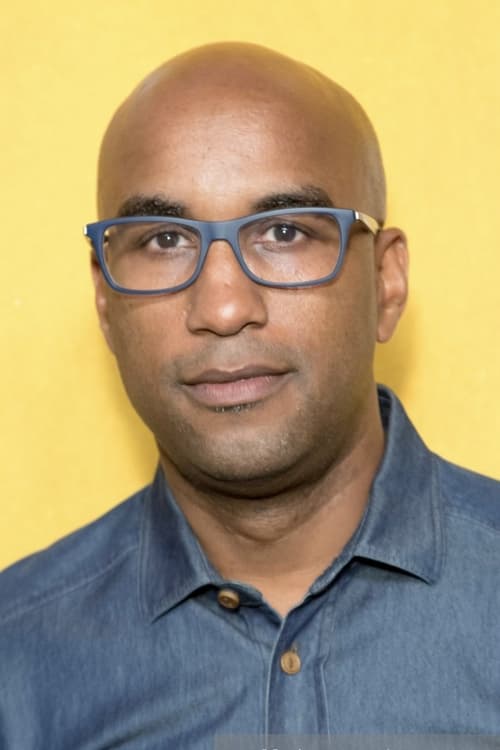
Tim Story
Directing
Timothy Kevin Story (born March 13, 1970) is an American film director. He is best known for Barbershop (2002), Fantastic Four (2005), Fantastic Four: Rise of the Silver Surfer (2007), and the Ride Along franchise. He has been nominated for two NAACP Image Awards for Outstanding Directing in a Feature Film/Television Movie in 2006 and 2013. He is a Los Angeles native and the founder of The Story Company, a production company co-founded with his future wife, Vicky, in 1996.
About Tim
The director behind two decades of mainstream comedy blockbusters.
Timothy Kevin Story was born on March 13, 1970, in Los Angeles, California, and grew up steeped in the movies — the kid who didn't just watch blockbusters but studied how they were built. He attended the University of Southern California's School of Cinematic Arts, where he directed the short film One of Us Tripped (1997), a low-budget calling card that announced a filmmaker with a commercial eye and a craftsman's discipline. In 1996, with his future wife Vicky, he founded The Story Company, an independent production outfit that shepherded his early work and remains his creative home base. Like many Black directors of his generation, Story's path to the studios ran through music videos and independent features — he came up directing videos for artists like Busta Rhymes and TLC, learning speed, rhythm, and how to make a small budget look like a big one.
His feature debut, The Firing Squad (1999), was a micro-budget drama that barely registered commercially but proved he could carry a film from script to screen. The breakthrough came with Barbershop (2002). Handed an ensemble comedy set in a South Side Chicago barbershop, Story directed with a light touch that let the performers — Ice Cube, Cedric the Entertainer, Eve — cook. The film grossed $77 million on a $12 million budget and became a cultural touchstone, the rare comedy that felt like a neighborhood. Studios noticed: here was a director who could handle an ensemble, land jokes, and deliver on time and on budget — the most bankable combination in Hollywood.
Then came history. When Marvel and 20th Century Fox needed a director for Fantastic Four (2005), they chose Tim Story — making him the first Black director of a major Marvel superhero film, a milestone that cracked open a door every Black blockbuster director since has walked through. The film was a commercial success ($333 million worldwide), and Story returned for Fantastic Four: Rise of the Silver Surfer (2007), which outgrossed its predecessor. The Fantastic Four films were divisive with critics, but their significance is undeniable: in an era when studio tentpoles were overwhelmingly handed to white directors, Story proved a Black filmmaker could steer a $120 million franchise picture — and he did it twice, back to back.
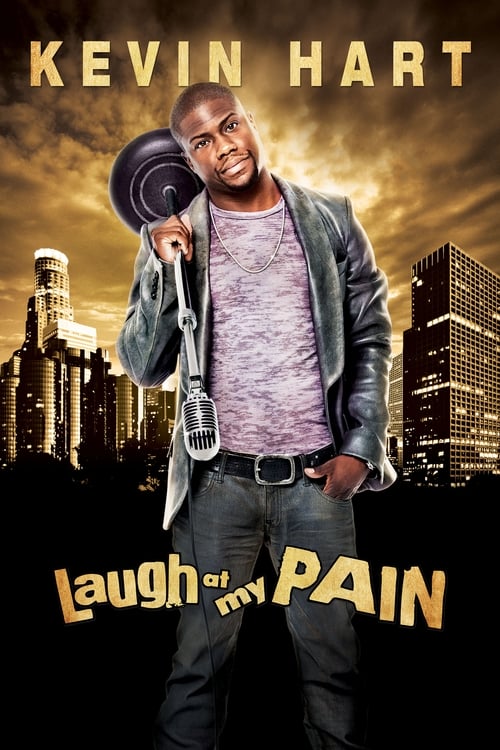
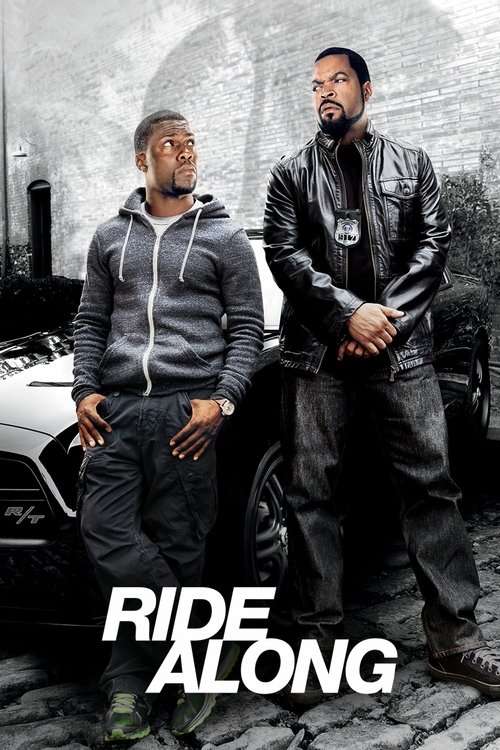
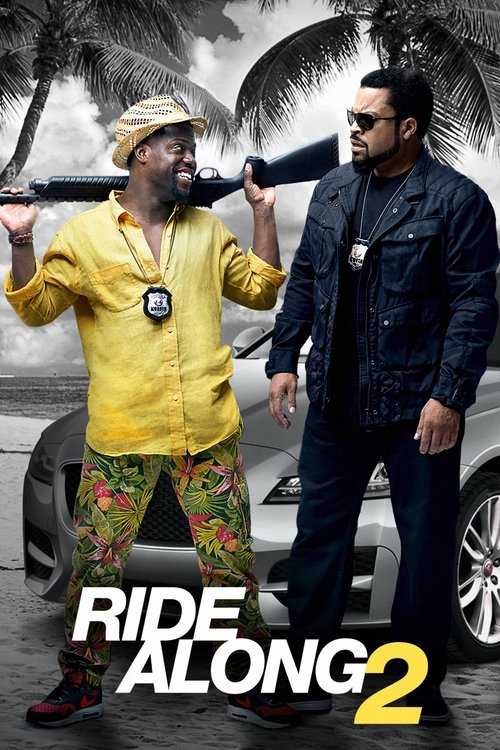
Between and after the Marvel films, Story built one of the most consistent commercial filmographies in American comedy. He directed Queen Latifah and Jimmy Fallon in the action-comedy Taxi (2004), the Steve Harvey–inspired ensemble Think Like a Man (2012) — a $96 million sleeper that launched a franchise — and the Kevin Hart–Ice Cube buddy comedy Ride Along (2014), which opened to $41 million over MLK weekend and grossed $154 million worldwide, followed by Ride Along 2 (2016). He also directed Hart's stand-up films Kevin Hart: Laugh at My Pain (2011) and Kevin Hart: What Now? (2016), capturing Hart at the absolute peak of his arena powers — Laugh at My Pain remains one of the highest-grossing stand-up concert films ever made. Story's gift for Hart's rhythm made him the comedian's go-to director for a stretch, a partnership that defined mainstream Black comedy in the 2010s.
His later work kept the range wide. He directed the live-action/animation hybrid Tom & Jerry (2021), a pandemic-era family hit, and the Eddie Murphy–Pete Davidson action-comedy The Pickup (2025). He has directed television (Scorpion, #blackAF, where he also appeared as himself) and served as executive producer on projects including the Disney+ holiday film Dashing Through the Snow (2023). A two-time NAACP Image Award nominee for Outstanding Directing (2006, 2013), Story has never chased the auteur label. His auteurism is different: directing comedy that actually lands, at blockbuster scale, on schedule, across two decades — one of the hardest and least celebrated jobs in the business, done over and over again.
Looking ahead, Story's slate shows no signs of slowing — with the action-comedy 72 Hours on the books for 2026, he remains one of the few directors studios trust to open a comedy wide and bring it home. In an industry obsessed with the new thing, Tim Story is something rarer: a sure thing, built the hard way, one hit at a time.
The Previously take
Our read on Tim Story.
Tim Story made history as the first Black director of a major Marvel movie with 2005's Fantastic Four — and then did what working directors do: he kept working. Barbershop, the Ride Along films with Kevin Hart, the Kevin Hart stand-up specials that became cultural events, Tom & Jerry: Story's filmography is a map of mainstream American comedy across two decades.
He doesn't get the auteur treatment, but he should get more respect than he does. Directing comedy that actually lands, at blockbuster scale, on schedule, is one of the hardest jobs in the business — and Story's done it over and over, opening doors for every Black director who came after him in the studio system.
Career highlights
The moments that made Tim.
- First Black director of a major Marvel film (Fantastic Four)
- Ride Along & Ride Along 2 — the Kevin Hart blockbusters
- Barbershop, Tom & Jerry, The Wood
Keep exploring
More people worth your time.
More on Tim Story
Full credits and biography via TMDB.
On Previously
Every Tim Story title on the site.
Filmography
Selected career credits — verified via TMDB.
- 2021Tom & JerryPigeon Announcer (voice)
- 2020#blackAFTim Story
- 2007Family Bonds: The Making of 'Fantastic Four: The Rise of the Silver Surfer'Self
- 2005Making of 'Fantastic Four'Self
- 2005Fantastic Four Video Diary TourSelf
- 2007The Fantasticar: State of the ArtSelf
- 2007The Power CosmicSelf