Dana Altman has never been one to mince words, and after the worst season of his Oregon tenure, he didn't start. “I made some mistakes with evaluation, inexperience,” he said. “When our experienced guys suffered injuries, our inexperience showed.” The numbers were stark: 12–20 overall, 5–15 in the Big Ten, 16th place in the league — the first losing season of Altman's 16 years in Eugene, the first time one of his teams won fewer than 20 games since his Creighton days in 1995–96. A 10-game losing streak in conference play. A winless 0–3 trip through the Players Era Festival in Las Vegas that killed any at-large hope before New Year's. A Big Ten tournament loss to Maryland in Chicago to end it.
The injuries were the story within the story. Point guard Jackson Shelstad — the face of the program — played just 12 games before a hand injury ended his season. Center Nate Bittle battled lower-body injuries all winter and managed only 19 of 32 games. With the two cornerstones in and out of the lineup, an inexperienced supporting cast was exposed, and the transfer class never meshed. The Ducks who finished 25–10 the year before, earned a No. 5 seed, and pushed Arizona in the NCAA second round felt like a different program entirely.
Then came the exodus. Seven players entered the portal, including Shelstad and Kwame Evans Jr. — two of the three starters Altman said he desperately wanted back, along with Sean Stewart. “It wasn't unexpected,” Altman said. “There were three guys that we really wanted back. Sean, KJ, and Jackson.” Nobody's scholarship was pulled, he insisted — but NIL is a separate ledger from scholarships, and coming off a 12–20 season, most of the roster faced what Altman called a “big reduction” in earnings. “We are working within a budget,” he said. “Our collective works really hard to give us a chance to compete… We're not top of the league. We're not at the bottom.” In the new math of college basketball, that candor was as revealing as the record.
So Altman did what Altman has always done: he rebuilt. The 2026–27 roster is almost entirely new — eight transfers, three freshmen — and the national media has noticed. CBS Sports's Jon Rothstein named Oregon his sleeper team in the Big Ten, slotting the Ducks 36th in his Rothstein 45. “I think Oregon has done a nice job in the transfer portal,” Rothstein said. “I think Oregon is one of the most improved teams in the Big Ten… Dana Altman didn't forget how to coach. He was ruptured by injuries last year.”
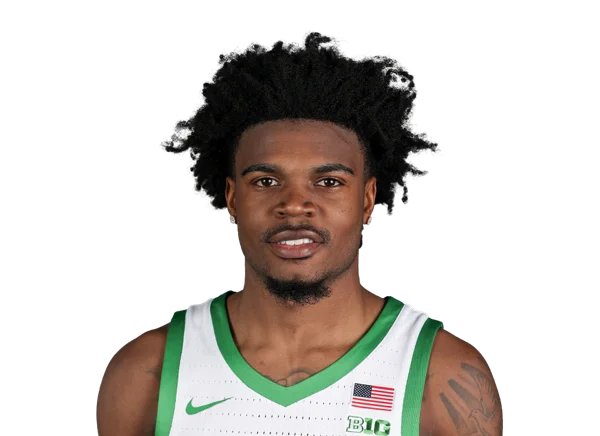
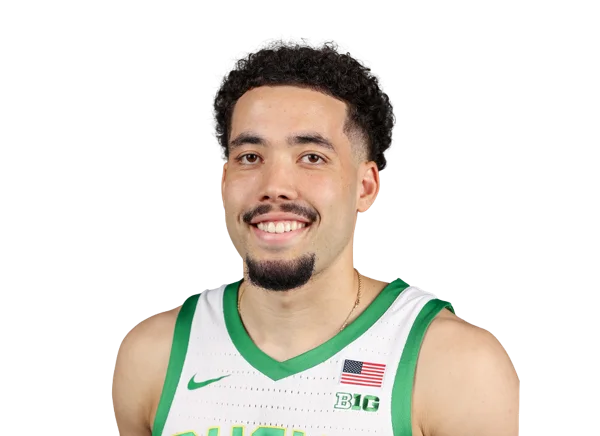
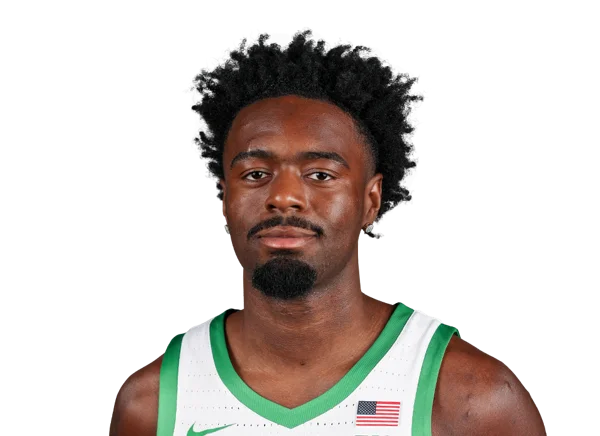
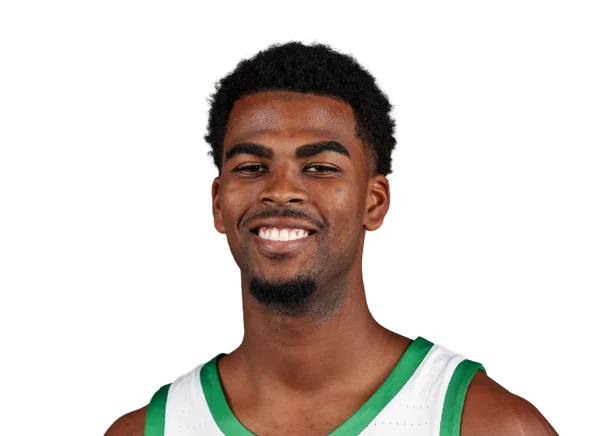
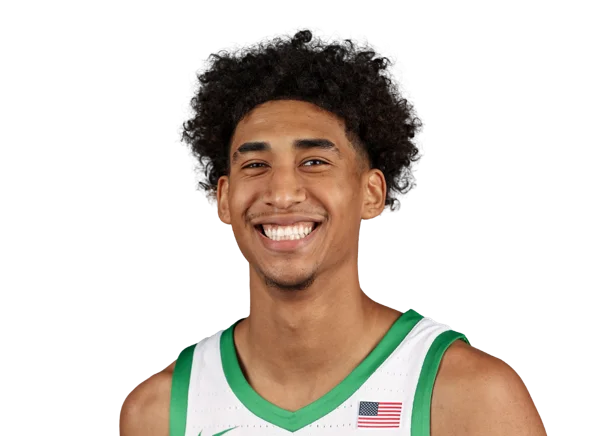
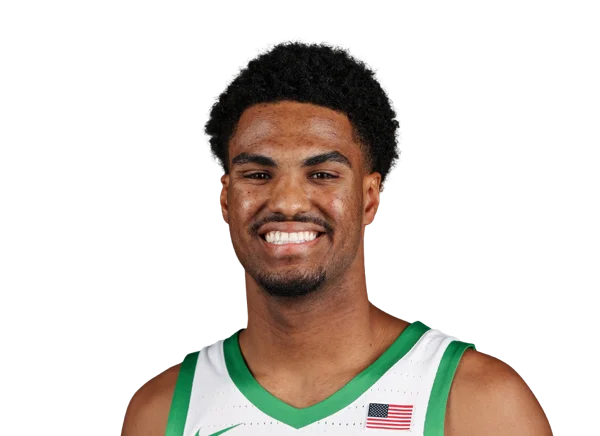
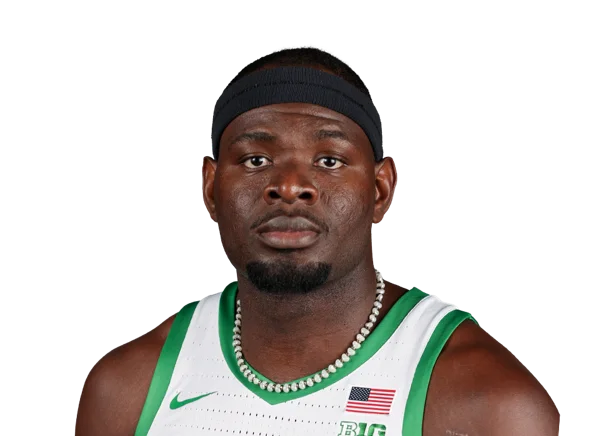
The names to know: Kentucky transfer Jasper Johnson is projected to start at point guard, with Boston College transfer Fred Payne pushing him. Wings Tyrone Riley and Dwayne Aristode, forward Taylor Bol Bowen, and the lone returner — center Sean Stewart, the only starter still on the roster — round out a projected starting five with real size and athleticism. The depth is the story: Andrew Meadow, Pharoah Compton, Jerry Easter, and true freshman Tajh Ariza — the kind of elite freshman who swung last season nationally — give Altman options he simply didn't have a year ago. If Ariza hits, this team has another gear.
The context matters. The Big Ten just flexed harder than it has in a quarter-century: Michigan ripped through the 2026 NCAA Tournament and beat UConn in the national championship game at Lucas Oil Stadium, finishing 37–3 — the league's first national title since 2000. Nine Big Ten teams made the field; four reached the Elite Eight; two made the Final Four. It is the deepest conference in America, and Oregon finished 16th in it. The climb back runs through that gauntlet — but the NCAA Tournament field expands from 68 to 76 teams this season, and a deeper, healthier Oregon has a real path back to March.
The history says to take the bounce-back seriously. Altman is 382–182 in Eugene with 10 NCAA Tournament berths, five Sweet 16s, and the 2017 Final Four — the program's first since the Tall Firs won the very first NCAA championship in 1939. That 2017 team, with Jordan Bell, Dillon Brooks, and Tyler Dorsey, beat Kansas in Kansas City to reach the sport's final weekend, falling to North Carolina. Before Altman, Oregon basketball was a regional curiosity. He made it a national program — and did it again after the move to the Big Ten in 2024, winning 25 games in year one in the new league. One losing season doesn't erase 16 years. As one national columnist put it this spring: regardless of what happens next, Altman remains the greatest coach in program history.
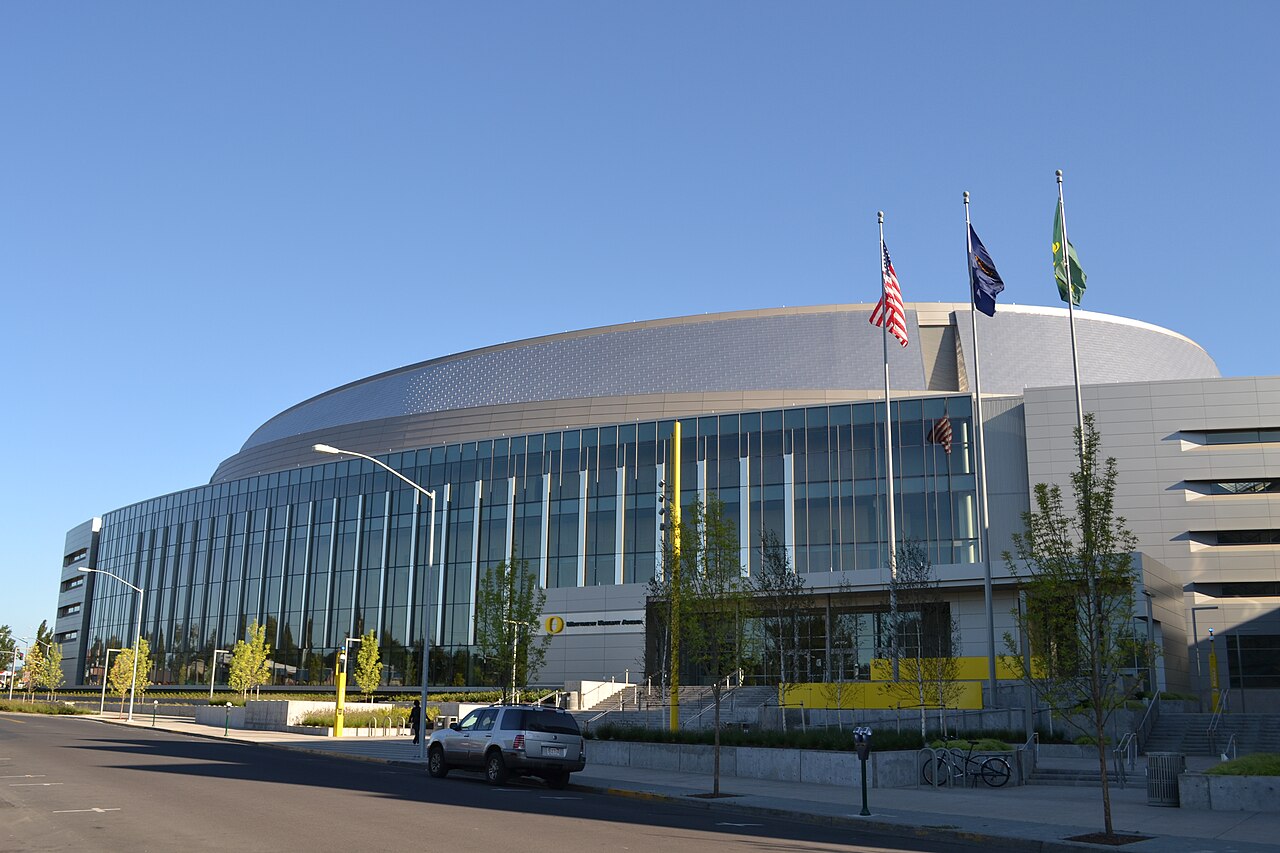
Matthew Knight Arena — 'Matthew Knight', the palace Phil Knight's money built, opened in 2011 — has seen all of it: the 2017 run, the Sweet 16s, the Big Ten arrival. It also saw last winter, when a half-empty building watched a broken roster lose 10 straight in league play. The 2026–27 Ducks have to give Eugene a reason to fill it again, and the formula is pure Altman: defend, share the ball, and let the system make the transfers better than the sum of their parts.
What defines Oregon basketball right now is the distance between Altman's résumé and last season's record — and a Hall of Fame coach's public admission that he misevaluated his own roster. That honesty is the reason to believe the fix is real. He didn't blame the portal, the budget, or the injuries. He blamed his evaluations — and then went out and evaluated better. Year 17 in Eugene starts with a sleeper tag, a rebuilt roster, and the simplest goal in sports: get back to March. In the Big Ten, nothing is simple. But Dana Altman has spent 16 years making the complicated look easy.