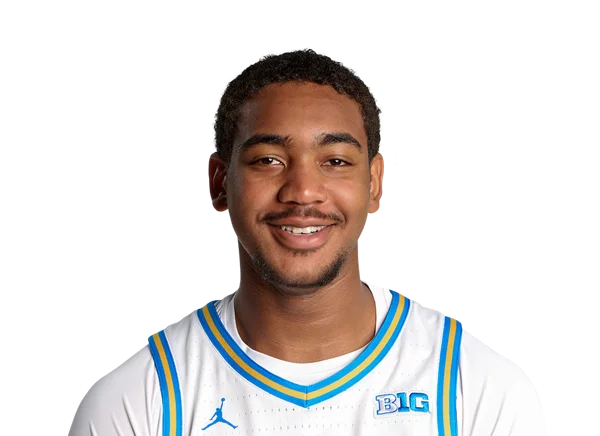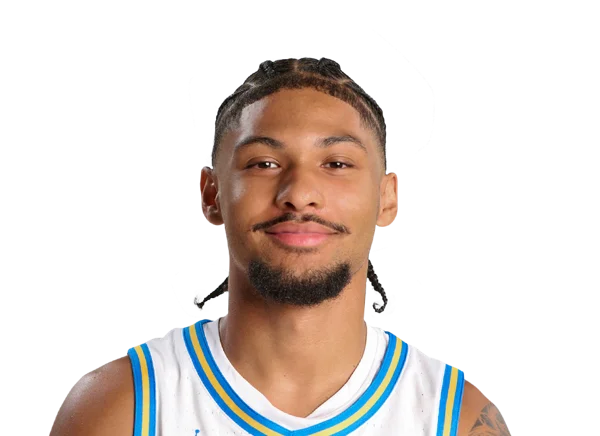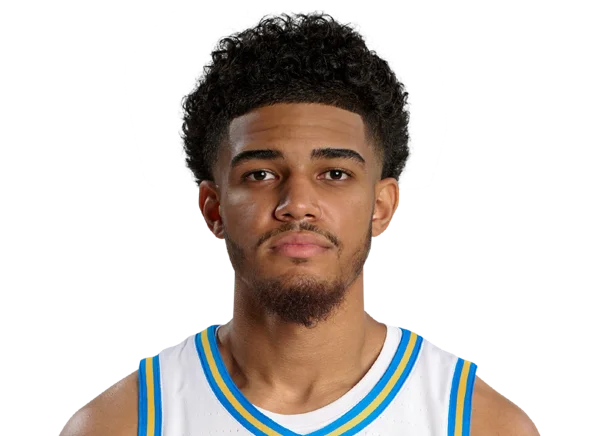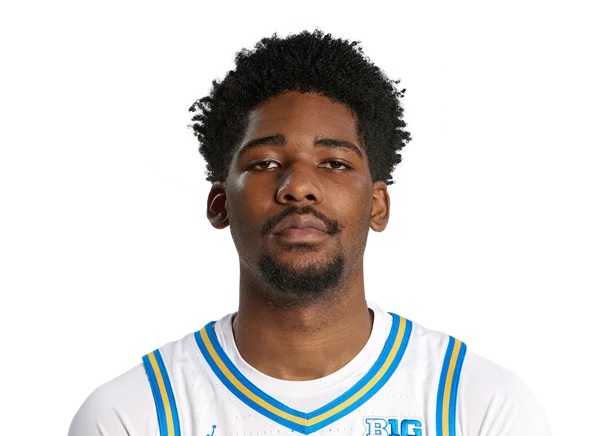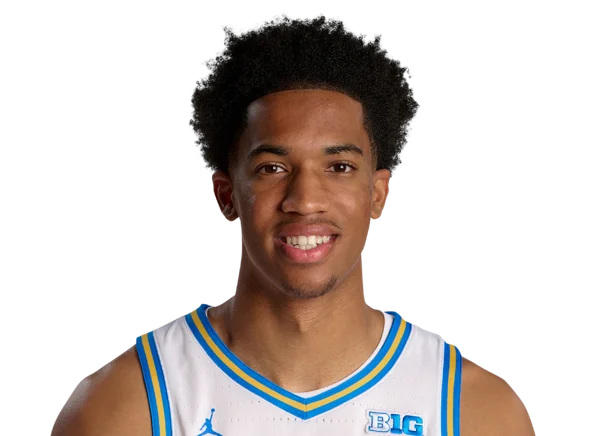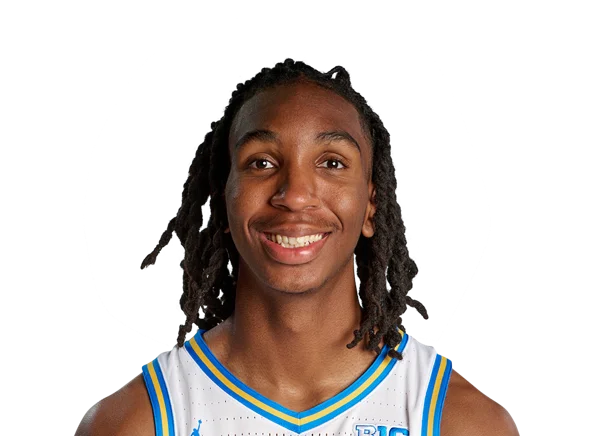
The 2025–26 UCLA season ended the way the last three have: in the NCAA Tournament's first weekend, wondering what might have been. The No. 7 seed Bruins beat No. 10 UCF 75–71 in Philadelphia, then ran into No. 2 UConn and lost 73–57 in the Round of 32 on March 22. The final record — 24–12, 13–7 in the Big Ten — looks solid on paper. But for a program with 11 national championship banners, a second-round exit is the floor, not the ceiling, and the questions about Mick Cronin's program are getting louder.
The what-if has a name: Tyler Bilodeau. The senior forward was UCLA's leading scorer, second-best rebounder and most efficient three-point shooter — and he tore up his knee in the Big Ten tournament quarterfinal against Michigan State. The Bruins beat Michigan State anyway, then lost 73–66 to No. 18 Purdue in the semifinals, and limped into March without their best player. 'If I didn't have bad luck, I'd have no luck at all since I've been at UCLA with injuries,' Cronin said. It's a familiar refrain: Chris Smith's torn ACL derailed the 2021 Final Four run's sequel, Jaylen Clark's Achilles ended 2023's hopes, Adem Bona's shoulder cost them the Gonzaga Sweet 16. The snake-bitten label is earned.
The other star story was disappointment. Donovan Dent arrived from the transfer portal as one of the nation's most coveted guards, and the fit never quite clicked: 13 points per game on 40 percent shooting and 25 percent from three. Yet Dent still authored history — UCLA's first triple-double since Kyle Anderson in 2013 — and finished with 265 assists, the second-highest single-season total in school history behind only Lonzo Ball's 274 in 2016–17. Brilliant and frustrating in the same season; that was the 2025–26 Bruins in miniature.
The underlying numbers say Cronin's system still works. UCLA led the Big Ten in turnover margin for the second straight season and ranked eighth nationally in assist-turnover ratio. The Bruins committed just 8.9 turnovers per game — third in the Big Ten, seventh in the nation — and set a school record for single-season free-throw percentage at 76.3 percent, a mark tracked since 1947–48. Bilodeau became a two-time All-Big Ten selection (third team in both 2025 and 2026). The defense and the discipline travel; the March magic hasn't.
Cronin's tournament ledger is the tension point. He's 11–5 in the NCAA Tournament at UCLA, but 2–2 over his last three seasons — one of which was a 16–17 miss in 2023–24 — and it's been three years since the Bruins reached the second weekend. The 2025–26 team was a top-five Torvik squad in March after closing the regular season with blowouts of Nebraska and USC, and the talent was real. But at UCLA, you're judged by what you do in the Big Dance, and the first weekend has become a ceiling. The contract extension he signed last year means he isn't going anywhere — which makes 2026–27 a prove-it year by performance, not by job security.
The roster turns over hard. Five scholarship players are out of eligibility: Dent, Jamar Brown, Steven Jamerson, Bilodeau and Skyy Clark — though Clark is petitioning the NCAA for another year, which would be a massive retention win. Junior guard Trent Perry becomes the leader by default, and the transfer portal, which opens April 7, will define the season: UCLA needs a point guard and a big man at minimum, and Cronin has never been shy about rebuilding through the portal.
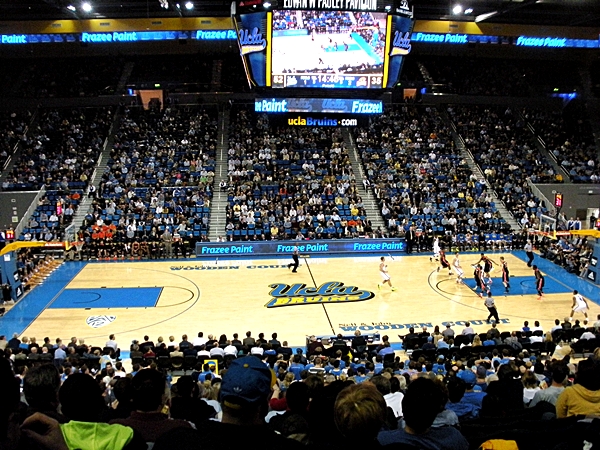
Pauley Pavilion remains the cathedral: 13,819 seats in Westwood, the banners overhead, the ghosts of Wooden in every corner. The program's standard is the standard — 11 national titles, the most in men's college basketball history, and a fan base that measures seasons in Final Fours. Two straight 23-plus-win seasons and two straight tournament bids stabilized the program after the 2023–24 crater. Now comes the hard part: turning stability into a deep March run. In Westwood, the wait for the second weekend is officially a storyline.
The high-water mark of the Cronin era remains the 2021 miracle: a First Four-to-Final Four run that ended in an overtime classic against Gonzaga, one of the great games ever played. That team proved Cronin's formula — defense, toughness, guard play — can win in March at the highest level. Every season since has been measured against that April, and fairly or not, it's the bar. The Big Ten move added a new wrinkle: cross-country road trips, unfamiliar foes, and a crosstown rivalry with USC that now plays out on a national stage twice a year.
For 2026–27, the formula is familiar: defend, take care of the ball, and find a closer. Cronin's teams always do the first two — the turnover numbers prove it — and the portal will decide the third. If Perry takes the leap and the new pieces fit, this is a team built to win ugly in March. At UCLA, ugly wins in March are the whole point.