The Georgia Bulldogs have never been to three straight NCAA Tournaments. Not under Hugh Durham, not under Tubby Smith, not ever. Mike White's fifth team in Athens has a chance to do what no Georgia team has done — and after back-to-back tournament berths, the expectation inside Stegeman Coliseum isn't just to get there. It's to finally win there. "It's the standard, but not only to get to the tournament, but it's also to advance and go far in the tournament," White said this fall, his arm in a sling after rotator cuff surgery. The Bulldogs' last official NCAA tournament victory came in 1996 — when White was a freshman point guard at Ole Miss. The drought is personal. So is the mission to end it.
Start with what White has built, because the 2025-26 season was the most fun Georgia basketball has been in decades. The Bulldogs went 22-11 with a 10-8 SEC mark, earned a No. 8 seed, and played a breathtaking brand of basketball: fifth nationally in scoring, 16th in offensive efficiency, 12th in tempo, first in the country in fastbreak points and second in dunks. Program records fell for regular-season wins (22) and total points (2,951). "Our staff and I loved coaching it," White said of the run-and-gun system paired with aggressive full-court defense. The season ended with a thud — a 102-77 first-round loss to Saint Louis in which White admitted his team "played tired" after overcooking the practices — but the style, the winning, and the trajectory all said the same thing: Georgia basketball is back as an SEC problem.
The 2026-27 roster is built on rare continuity. Four starters return — senior point guard Marcus "Smurf" Millender (5-foot-11), senior wing Blue Cain (6-foot-5), junior forward Kanon Catchings (6-foot-9), and sophomore forward Kareem Stagg (6-foot-8) — and Millender, Cain, and Catchings all averaged at least 11 points per game. Stagg closed his freshman year averaging 8.0 points and 3.4 rebounds over the final five games and looks ready for a leap. "Getting them back was huge. Huge. That's where it started," White said in July. In the portal era, returning four starters is a superpower; White called it a recruiting pitch in itself — players who like Georgia, like playing with one another, and helped recruit their new teammates.
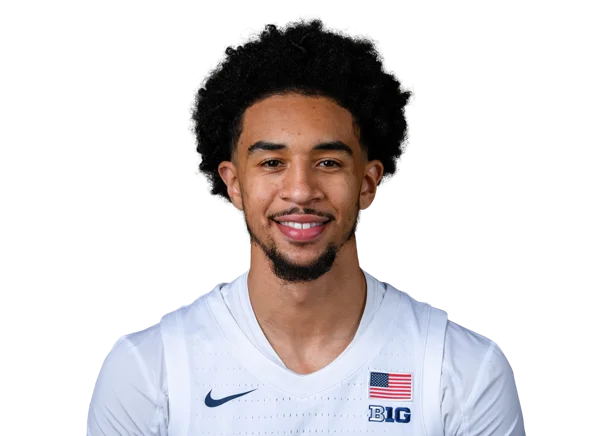
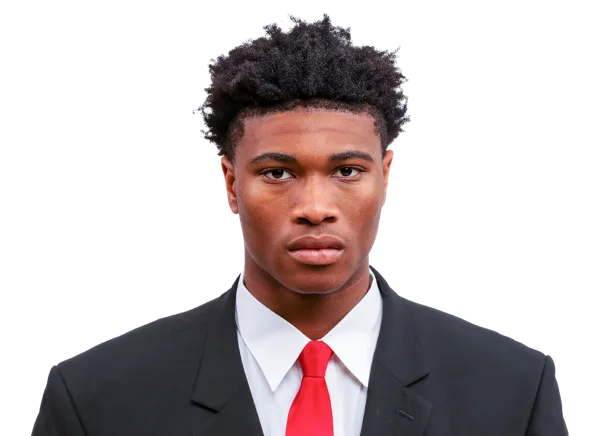
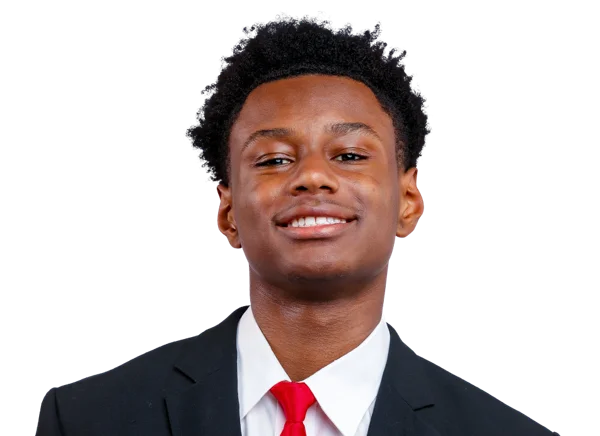
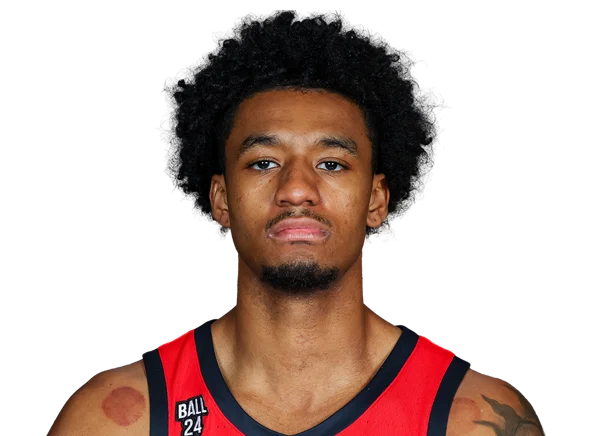
The departures hurt, though. Leading scorer Jeremiah Wilkinson — a 6-foot-1 sophomore guard — hit the portal, along with defensive anchor Somto Cyril, the 6-foot-11 sophomore center. Six players transferred out in all, five from the deep rotation. White's answer was a targeted portal haul: 6-foot-11 forward James Scott from Ole Miss and 6-foot-10 forward Andrew Osasuyi from St. Bonaventure give the frontcourt the size Cyril took with him; 6-foot-5 guard Freddie Dilione V from Penn State adds backcourt scoring; forward Brady Dunlap arrives from Saint Louis; and junior guard Kemauri "Kemo" Millender comes from New Mexico Junior College. Four true freshmen — guard Donovan Williams Jr. (Orlando), forward Hakeem Weems (Atlanta, via IMG Academy), forward Mading Kuany (Melbourne, Australia), and forward David Ugonna Ike (NBA Academy Africa, Senegal) — give the roster developmental upside and genuine global flavor.
The schedule is a statement of intent. Georgia opens November 2 against North Carolina Central, then plays at North Carolina on November 13 and at rival Georgia Tech on November 20. Thanksgiving week brings the ESPN Events Invitational in Kissimmee, Florida — Cincinnati on November 26, UCF on November 27, both on the ESPN family. December 1 is Boston College in the SEC/ACC Challenge, and December 8 is the marquee: Duke, at Madison Square Garden, in the Jimmy V Classic — the programs' first meeting since 1932, when Georgia won in the Southern Conference Tournament semifinals. Gardner-Webb visits Athens on December 20. SEC play opens January 2 at Ole Miss — White's alma mater — and runs through the league's murderers' row: Florida, Auburn, Tennessee, Alabama, Texas, Arkansas. There are no nights off, but there are plenty of chances for the kind of résumé wins that earn a seed worth having in March.
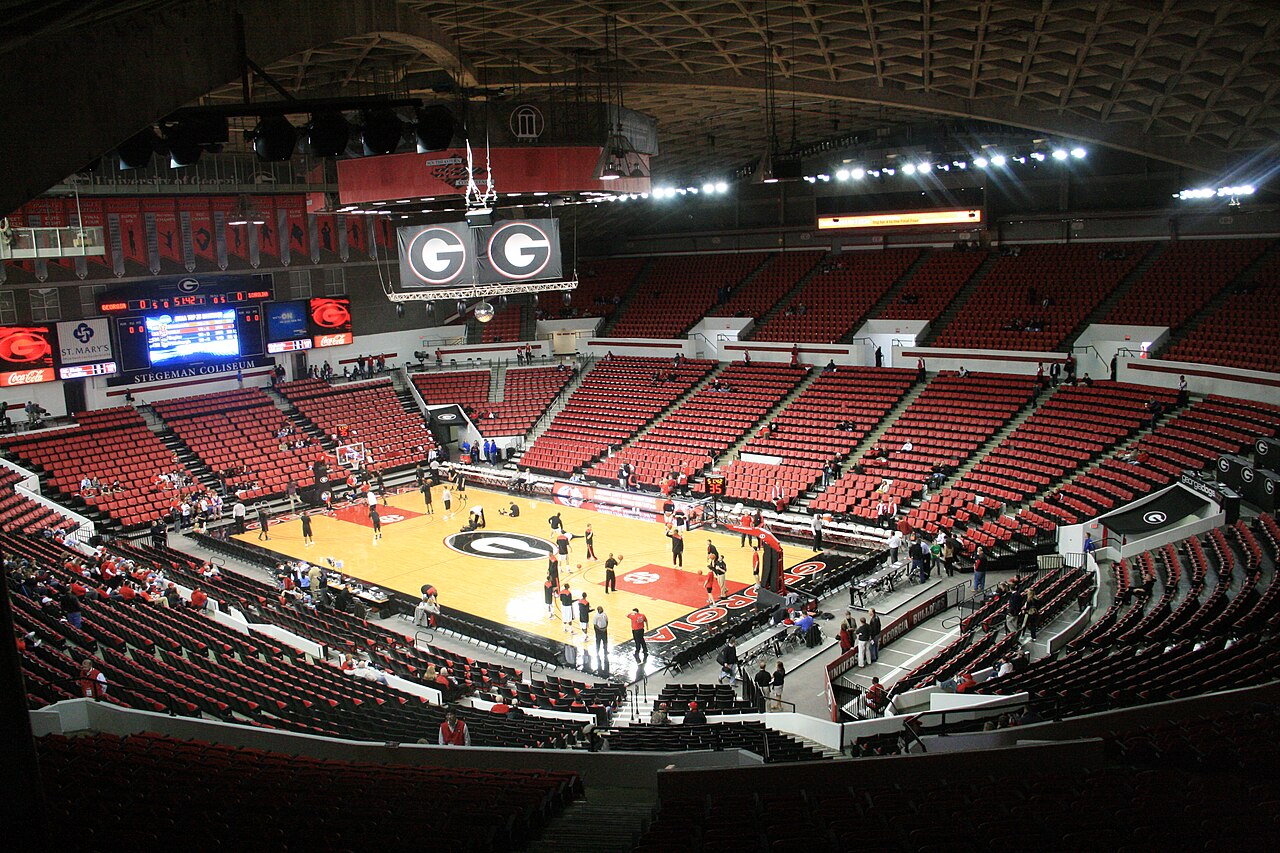
The history here is richer than the recent decades suggest. Dominique Wilkins — the Human Highlight Film — played at Georgia from 1979 to 1982 and remains the program's defining icon. Hugh Durham's 1982-83 team reached the Final Four, still the program's only one. Tubby Smith's 1995-96 team reached the Sweet 16, beating No. 1 seed Purdue 76-69 in the second round — the last official NCAA tournament win in program history (an 85-68 win over Murray State in 2002 was later vacated). Anthony Edwards spent one electric season in Athens before going No. 1 overall in the 2020 NBA Draft. Stegeman Coliseum, the 10,523-seat on-campus arena, has started to rock again as the winning has returned — and White is open about what the culture has become: "We had a good culture, and now we have a great culture where it's important to these guys to give back to the fans."
The math of the season is simple. The offense should hum again — four returning starters who know the system, new size inside, fresh legs on the wing. The question is defense: last year's team slid to 89th nationally in defensive efficiency, its worst mark since White's first season, surrendering 79.8 points per game, and White has been blunt that the glass and ball-screen defense have to improve. "We've also got to be better defensively, particularly on the defensive glass and in ball-screen defense." If the defense catches up to the offense, this is a team that can do more than make a third straight tournament — it can win in it, ending a drought that has lasted three decades. "Can we finish stronger? Because the way we played in the NCAA tournament wasn't indicative of the way we played all season." In Athens, the standard is set. Now comes the season that defines whether Georgia is a tournament team — or something more.