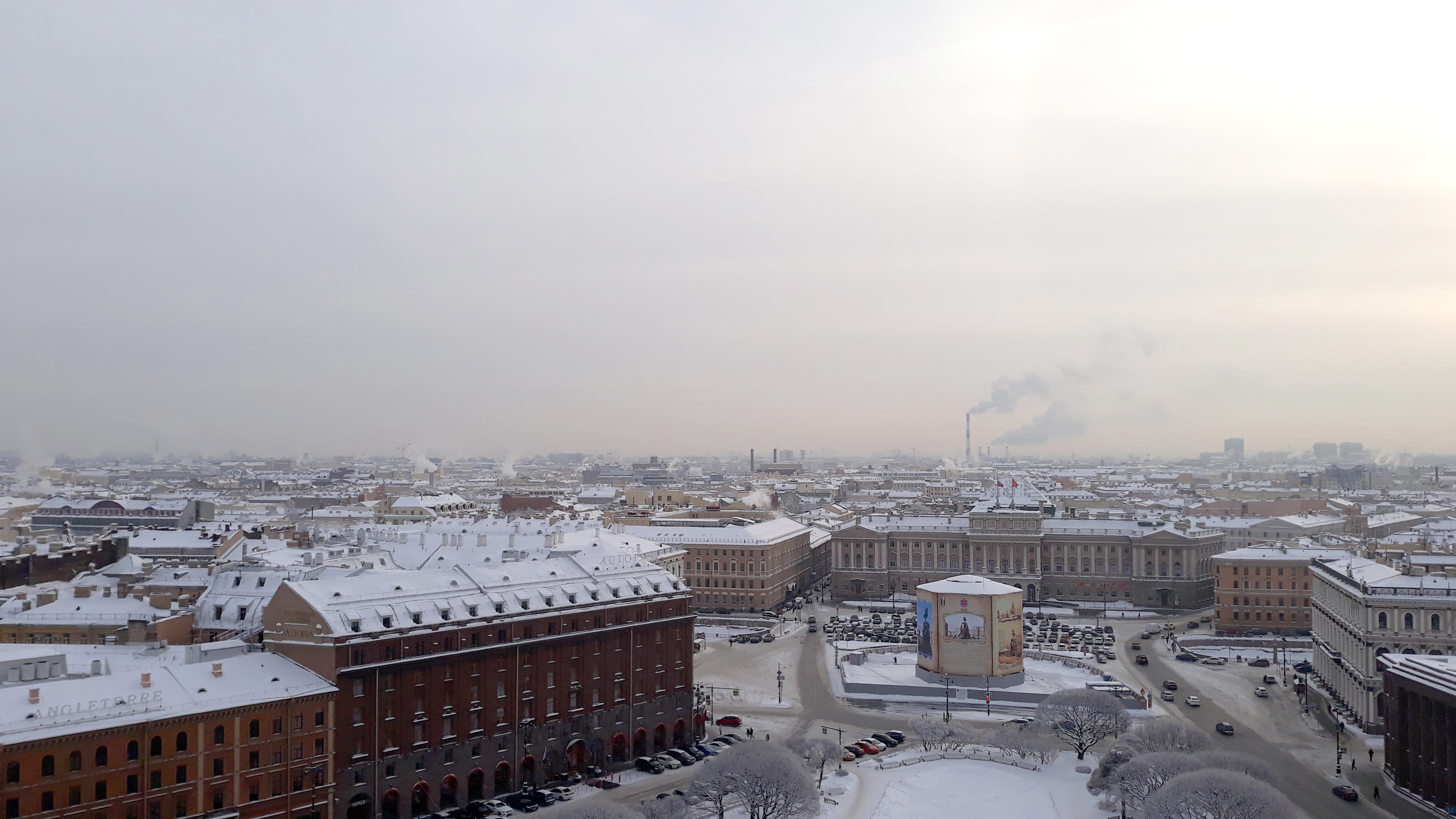

St. Petersburg woke up on Sunday to fires at the heart of its fuel trade. Reuters reported on Sunday that one person was killed and 15 injured in a Ukrainian drone attack on oil facilities, logistics and data centres in Russia’s St. Petersburg and the Leningrad region, according to local authorities. CNN reported that Ukraine launched the attack overnight Saturday in what it described as one of Kyiv’s biggest drone attacks this year, hitting a key oil terminal in defiance of President Donald Trump’s demand that it stop hitting Russian energy infrastructure.
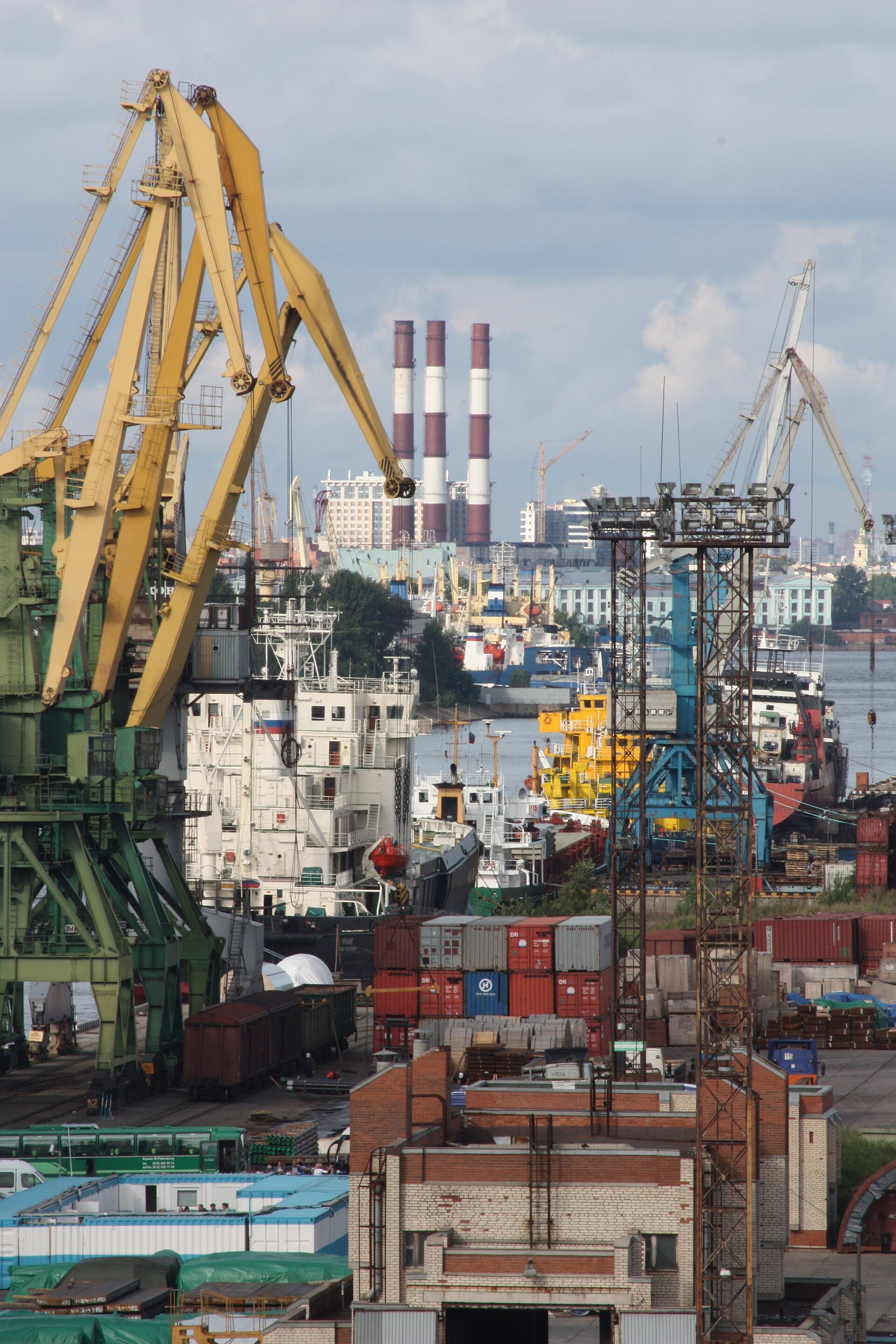
St. Petersburg governor Alexander Beglov said fires broke out at the St. Petersburg oil terminal, an oil depot and industrial warehouses, Reuters reported. CNN reported that the terminal can handle up to 12.5 million tons per year, a scale that underlines why the site matters: it is not a minor storage yard but one of the working gateways for Russian fuel on the Baltic. Fire Point, the Ukrainian drone producer, said there was a fire on the terminal’s grounds following the strike, according to CNN.
The attack reached well beyond the fuel sites themselves. Reuters reported that Russian e-commerce company Ozon said its logistics hub in St. Petersburg was on fire, and that internet company VK said its data centre in the Leningrad region had been attacked by drones, although services were available to users as normal. Reuters also reported that Fire Point said on Sunday the Ukrainian military had struck a VK data centre near St. Petersburg. Early casualty figures moved as the morning went on: CNN, citing local authorities at its publication time, reported one person killed and five wounded, while Reuters’ later Sunday report put the toll at one killed and 15 injured, the figure local authorities were giving as the picture cleared.
A claim of more than a thousand drones downed
Russia’s own account stressed the size of the incoming wave. Russian air defence units downed 1,015 Ukrainian drones over Russian regions overnight, the Russian Defence Ministry said, according to Reuters. That is an extraordinary number even by the standards of this war’s drone exchanges, and it sits alongside the fires in St. Petersburg as the two halves of the same night: a very large attack, most of it intercepted by Moscow’s account, and enough of it getting through to set fuel and logistics sites alight in Russia’s second city.
The Kremlin framed the strike as part of a pattern it says it is already answering. Kremlin spokesman Dmitry Peskov said Russia is constantly responding to Ukrainian attacks with systematic, large-scale strikes, Reuters reported via TASS. “The Kyiv regime is resisting. But this cannot change the course of events,” Peskov said, according to Reuters via TASS. It was a notably flat response for an attack of this size — an insistence that the strikes, however dramatic, do not alter the war’s direction.
A strike aimed straight at Washington’s request
What made this attack different was not only its scale but its timing. CNN reported that a week ago Trump said Russia and Ukraine had agreed to stop attacking each other’s energy infrastructure, with the White House trying to relieve pressure on oil and diesel prices ahead of the midterm elections. According to CNN, neither Kyiv nor Moscow acknowledged such an agreement; Ukraine briefly halted its strikes, then resumed them, while Russia never stopped. Saturday night’s attack on the St. Petersburg terminal was, in that reading, a direct and public answer: Kyiv is not observing a pause it says it never signed.
Trump’s recent moves sharpen the tension. CNN reported that Trump last week called Kyiv’s strikes on Russian oil refineries a “disgrace,” and that he has waived sanctions on imports of Russian diesel and on Friday invoked a waiver exempting Russia from sweeping economic penalties mandated by Congress, sparking criticism even from Republicans. Ukraine’s president answered that sequence directly on Sunday. Zelensky wrote on X on Sunday: “Since the American President announced the energy ceasefire a week ago, Russia has deliberately attacked Ukraine’s energy and oil and gas sectors 76 times,” according to CNN. He added, in CNN’s reporting: “America should see that Russia is not taking any reciprocal steps in response to sanctions relief or agreements.”
The other half of the night: 11 dead across Ukraine
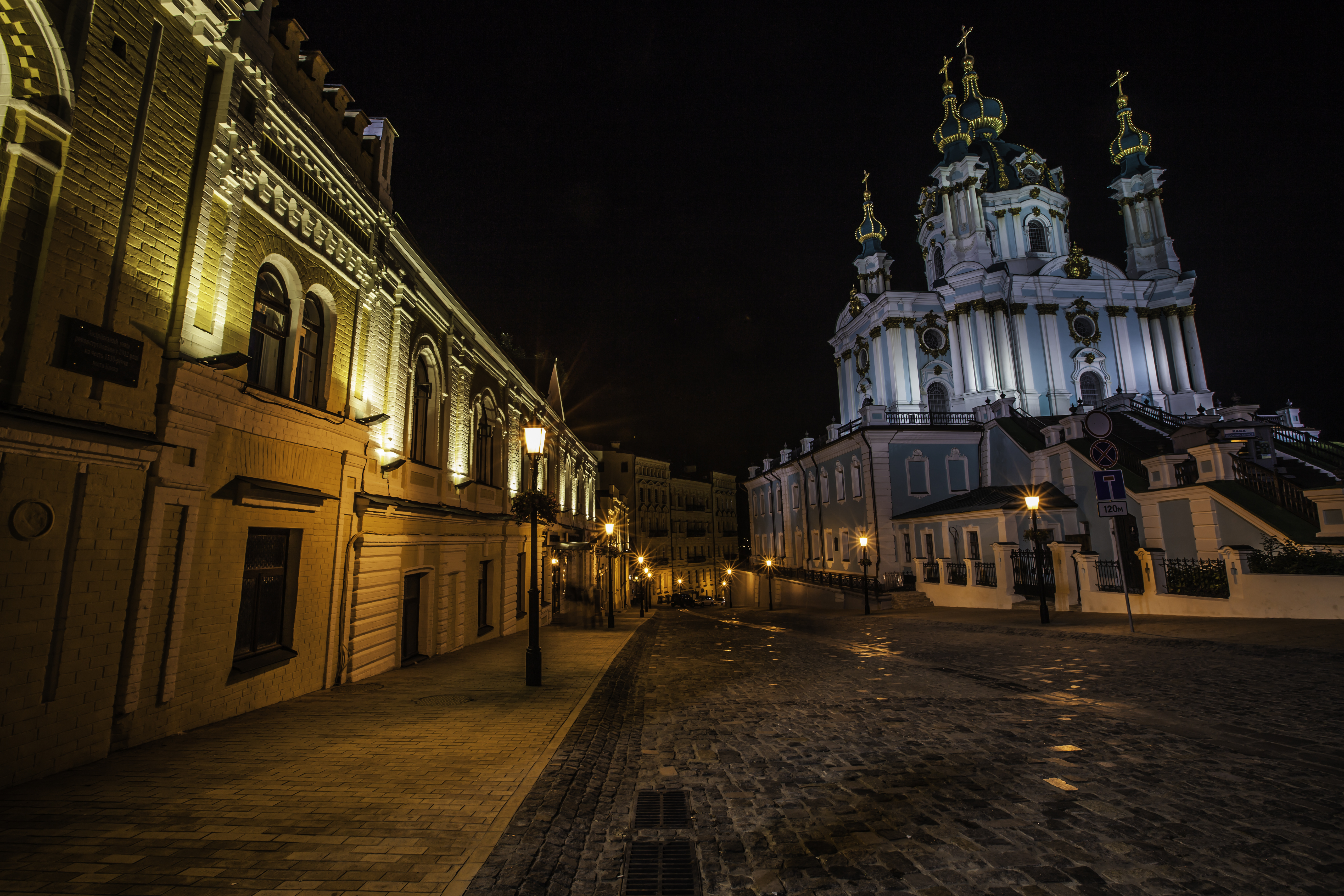
While St. Petersburg counted its fires, Ukraine counted its dead. Eleven people were killed and nearly 50 injured across Ukraine in Russian missile and drone attacks in the 24 hours to Sunday morning, according to Ukrainian authorities, CNN reported. Those attacks included what Ukrainian authorities called a massive attack on energy facilities in the Odesa region — the mirror image of Kyiv’s own strategy, and, in Zelensky’s telling, proof that any energy ceasefire existed on only one side.
There was a second, quieter front in Zelensky’s remarks: the technology guiding Ukraine’s drones. CNN reported that Zelensky said Ukrainian military access to Starlink to guide short-range and battlefield drones remains curtailed. “The maximum speed today is 161 kilometers per hour. After that... Starlink shuts down, and we lose the drone,” he said on Saturday, according to CNN. He said the restrictions also affect shooting down jet-powered shaheds in Ukraine, CNN reported, while the Trump administration denies restricting the service. For a country whose signature weapon of this phase of the war is the long-range drone, a speed ceiling on the link that guides some of them is not a technical footnote — it shapes what can be hit and what gets through.
Why this night matters
Put the pieces together and Saturday night looks like a message sent in three directions at once. To Moscow: Ukraine can still reach the Baltic and burn fuel infrastructure in Russia’s second city despite air defences that claimed more than a thousand interceptions. To Washington: Kyiv will not hold an energy pause it says Russia never joined, even after sanctions relief for Moscow and public criticism from the president. And to its own public, enduring another night of strikes that killed 11 people: the attacks are answered, not absorbed.
Whether the message changes anything is the open question. Peskov’s line — that Kyiv’s resistance “cannot change the course of events” — was Moscow’s attempt to shrug. But a terminal that can handle up to 12.5 million tons a year does not shrug off a fire, and a White House trying to cool fuel prices before an election does not welcome televised flames at a Baltic oil terminal. The next signals to watch are practical ones: how long the St. Petersburg fires take to bring under control, whether Ozon and VK report wider disruption, and whether Washington responds to a strike launched, as CNN put it, in open defiance of its demand.
Previously is following the overnight world desk as casualty figures are updated and both capitals issue further statements. For more of this morning’s coverage, see our report on the northeast monsoon flooding that left north Chennai under water and our account of the Kolkata Durga Puja stampede that killed 19 people.
Sources · 2 sources
- Reuters — reporting on Sunday that one person was killed and 15 injured in the Ukrainian drone attack on St. Petersburg and the Leningrad region, governor Alexander Beglov’s account of fires at the oil terminal, depot and warehouses, the Ozon and VK statements, the Russian Defence Ministry’s claim of 1,015 drones downed, and Kremlin spokesman Dmitry Peskov’s response via TASS.
- CNN — reporting that the strike was one of Ukraine’s biggest drone attacks this year, the terminal’s 12.5 million ton annual capacity, the disputed energy ceasefire and sanctions waivers, 11 killed across Ukraine in the 24 hours to Sunday morning, and President Zelensky’s statements on the 76 Russian energy attacks and Starlink restrictions.