
SATURDAY, OCTOBER 10, 2026
Twenty-four days out from the midterms, the president who signed a sweeping Russia sanctions law last month just signed a license to buy Russia's diesel. The Treasury Department said Friday its temporary general license authorizes transactions "related to the sale, delivery, offloading, or importation, including importation into the United States, of diesel fuel of Russian Federation origin" — through 12:01 a.m. EDT on April 7, 2027. It is the paperwork that turns Friday's handshake deal with Vladimir Putin into actual cargoes of Russian fuel moving toward American ports.
The announcement itself came in a Truth Social post Friday. Trump said the deal came together during a "highly successful discussion" with Putin, and that Russia would supply more than 300,000 tons of diesel "immediately," roughly 1 million tons in November, and then 3 million tons more "within a short period of time" — the last tranche conditional, Trump noted, on the condition of Russia's refineries. The Associated Press reported the call had been expected to cover a suspected case of plague in Russia; instead it produced the most significant sanctions rollback of Trump's second term.
"That is a big deal," Trump told reporters at the White House on Friday, thanking Putin by name. "We have massive amounts of oil coming into our country, and it's diesel, which is what we want." The Kremlin confirmed the arrangement, saying in a statement that "the Russian side reaffirmed its readiness to supply oil and petroleum products to U.S. and global markets," and Putin told Trump he was "confident that this will have a positive impact on the global economy as a whole," per the Kremlin's readout.
What the license actually does
This is where the story stops being a press release and starts being a legal instrument. A Treasury general license doesn't move a single barrel by itself — it creates the legal permission for buyers, shippers, insurers and banks to touch Russian diesel without tripping sanctions enforcement. The license runs for roughly six months, through April 7, 2027 — well past the Nov. 3 midterms, past the holidays, and into next spring.
The practical questions — who buys the first cargoes, who pays for them, which ports take them — were still unanswered Friday night. Russia also has its own export ban on diesel for producers, in place through Oct. 31, which Moscow would need to amend or carve out. And there's the small matter of whether the refineries in question can actually produce the fuel: Ukrainian drone strikes have been hammering Russian refining capacity for months, forcing Moscow to restrict exports in the first place. As one market briefing put it, what matters now is whether Russia amends its export ban, who buys and pays for the first cargoes, and whether refineries under Ukrainian attack can deliver the larger volumes.
Why diesel, and why now
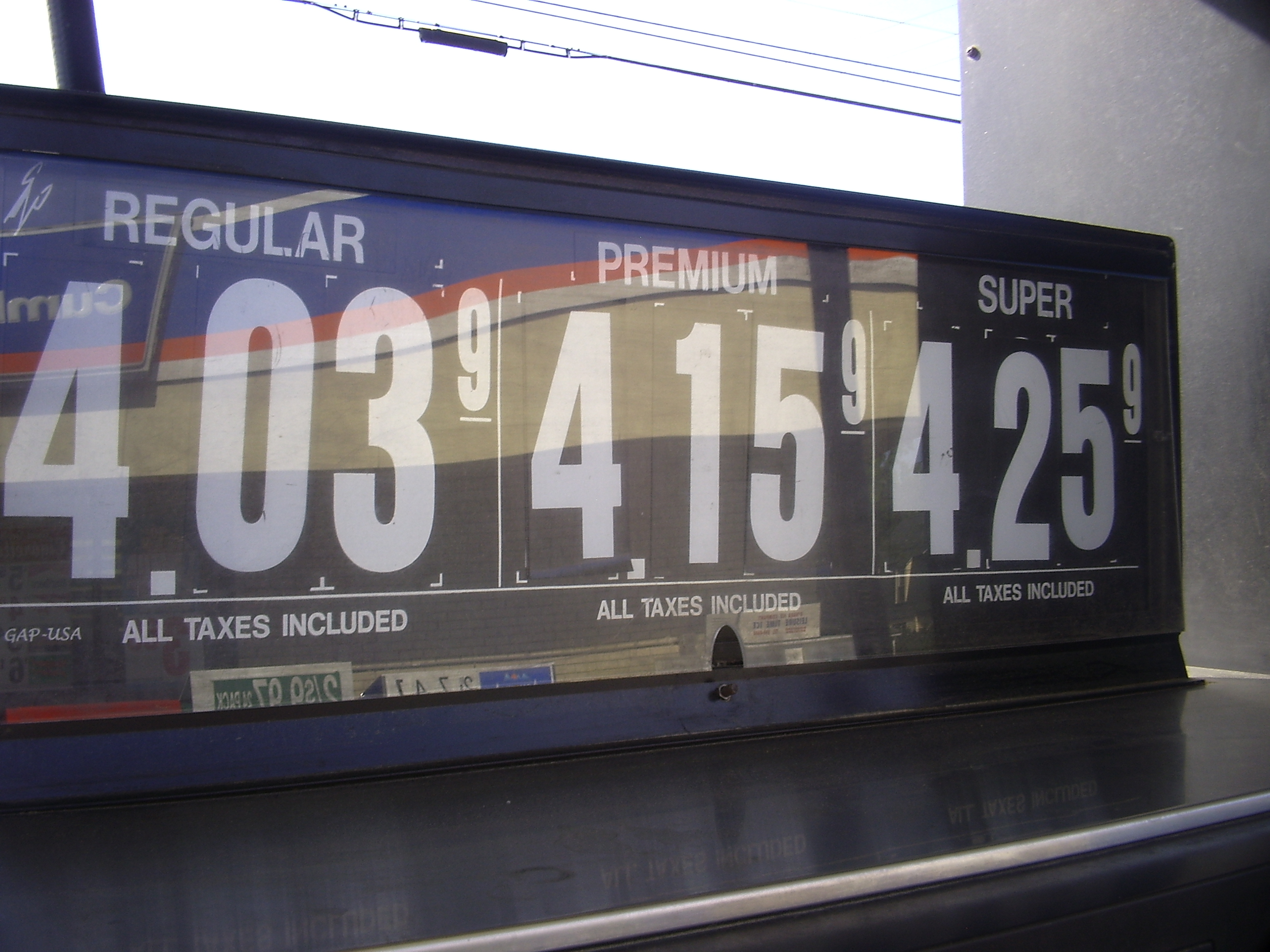
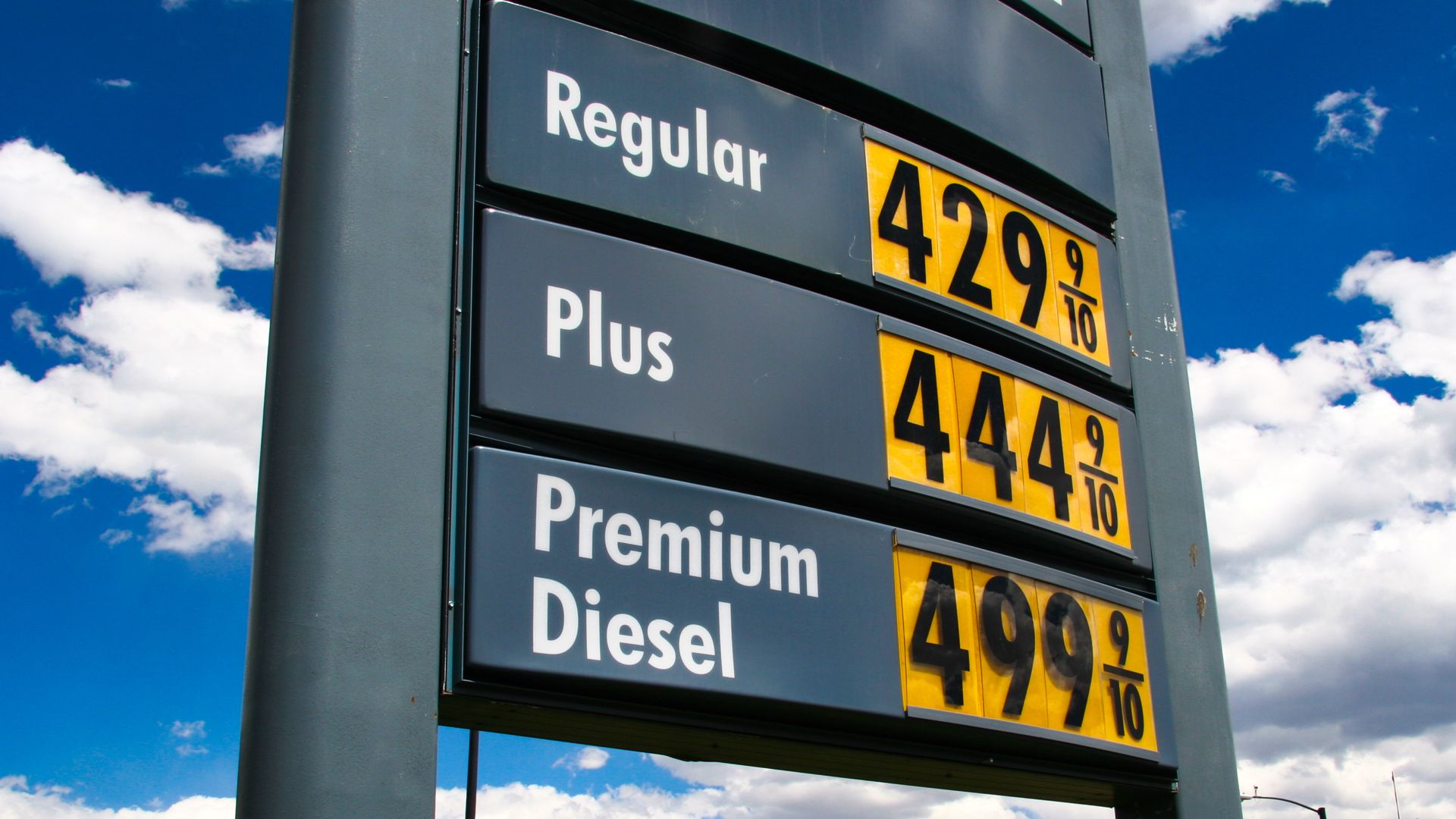
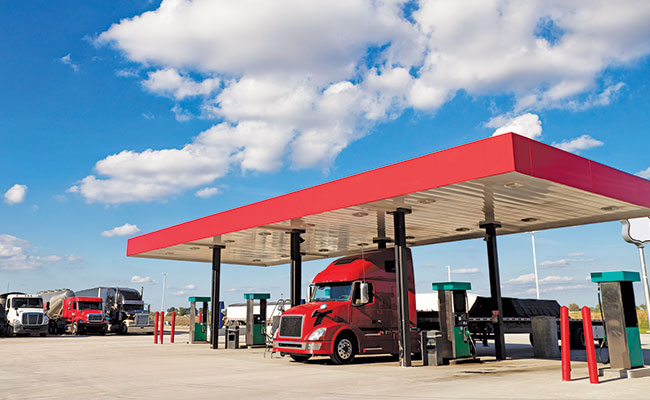
The answer is at the pump, and it's brutal. Diesel averaged about $6.28 a gallon nationally on Friday, up from $3.68 a year ago — a record $6.528 per gallon back on Sept. 22, according to AAA data cited by MarketWatch. The spike is driven by the U.S. war with Iran and its knock-on effects on global fuel markets, with Ukrainian strikes on Russian refineries and Houthi attacks on Saudi refineries tightening supply further.
Diesel isn't like regular gasoline — it runs the freight network, the farm equipment and, in remote parts of Alaska, the generators and heating systems. That's why deep-red Alaska, Iowa, Kansas and Nebraska have become surprising midterm battlegrounds, as USA Today reported: these are places where fuel prices are a kitchen-table emergency, not a talking point. "Lower prices for Americans, especially our Great Farmers, Ranchers, and Truckers, is my Greatest Priority," Trump wrote in his announcement.
It's also the latest entry in a very busy pre-election playbook. USA Today catalogued the recent moves: Trump has led a rare mid-decade redistricting push, spent more than $12 million in government funds on pro-Trump TV ads, issued $500 Affordable Care Act refund checks to nearly 1 million Americans, and sent $90 apiece to 1 million seniors by diverting funds from a Medicare improvement reserve. The $5,000 check pledge fits the same pattern. The diesel deal is the international version of that list.
The three-week whiplash
Here's the part that's genuinely hard to square. About three weeks ago, Trump signed a sweeping Russia sanctions law — the package named for the late Republican Sen. Lindsey Graham of South Carolina — that was meant to suffocate the Russian economy financing the war against Ukraine. Around the same time he signed legislation authorizing tariffs of up to 100% on the largest buyers of Russian oil and gas. Now Treasury has issued a license that does the opposite: it authorizes Russian diesel sales, including into the United States.
The collision gets more direct from here. The Associated Press reported that a bipartisan law passed by Congress directs the administration to target the top importers of Russian oil and gas this month — which makes the White House imposing fresh sanctions on Russia this month significantly less likely, and puts the administration in the awkward position of sanctioning other countries for buying what it's now buying itself.
None of this is ancient history, either. The Biden administration banned Russian oil imports after Putin's full-scale invasion of Ukraine in 2022. The Trump administration temporarily eased those sanctions earlier this year after energy prices skyrocketed with the start of the U.S. war against Iran. Friday's license is the farthest any of it has gone — and it hands Putin exactly what the Graham package was designed to deny him: paying customers. As the AP noted, the deal gives Moscow an economic lifeline just as Russia's economy strains under the weight of the nearly five-year war in Ukraine.
Will it actually lower prices?
The people who trade this stuff for a living are deeply skeptical — not about the politics, but about the calendar and the arithmetic. Rebecca Babin, a senior energy trader at CIBC Private Wealth, told USA Today the proposed volumes amount to roughly 400,000 barrels a day over three months, with delivery entirely dependent on refinery availability. "For the midterms, it could still be too little, too late: The smallest volumes arrive upfront, when relief is needed most," she said.
Patrick De Haan, head of petroleum analysis for GasBuddy, put the possible near-term effect at a reduction of 10 to 20 cents per gallon of diesel — and said even that would be "difficult to achieve." "The psychological impact may reduce prices temporarily but it'll take more time to determine if Russia has such ability," he wrote on X. The market's first read, in other words: a headline that moves futures for a day, not a fleet of tankers that moves pump prices in three weeks.
The backlash arrived on schedule
Zelenskyy's response was withering, and it arrived in two parts. In a statement after the announcement, he said: "Any easing of sanctions against Russia without a clear and lasting de-escalation agreement with Russia is an obvious weakness. It plays into Russia's hands – allowing it to kill more, wage war for longer, have even less respect for America, and inflict even greater losses and damage on the world."

Then, with Trump's envoy Steve Witkoff and son-in-law Jared Kushner in the middle of meetings with Ukrainian officials about ending the war, Zelenskyy added: "I believe our team is simply being used as a smokescreen. And that is certainly not fair. It is certainly not how partners should treat each other." Asked about the criticism, Trump shrugged it off: "We need oil for the world, and this is diesel, which is what we need, so we're very happy to get it."
Domestically, Senate Democratic leader Chuck Schumer accused Trump of "doing a deal with the devil to try to help his flailing political fortunes from the shockingly high diesel prices caused by his own reckless, illegal war in the Middle East." A former U.S. ambassador to Russia under President Obama called the U-turn "absolutely deplorable," MarketWatch reported. And Europe — which still prohibits direct imports of Russian refined products and where diesel averages $9.12 a gallon — isn't following along: a British government spokesperson said the UK will "maintain pressure on Russia through the toughest sanctions regime ever imposed by the UK."
The deal also complicates Trump's own record with Zelenskyy. Since returning to office, Trump has pinned equal blame on Zelenskyy and Putin for the Russia-Ukraine war, met in person with both leaders, and — in recent weeks — complained to Zelenskyy about Ukrainian strikes against Russian energy infrastructure. The strikes Trump complained about are the same strikes that crippled the refineries whose "condition" his diesel deal now depends on.
300,000-plus tons immediately, ~1 million tons in November, then 3 million tons more based on the condition of Russian refineries.