
SATURDAY, OCTOBER 10, 2026
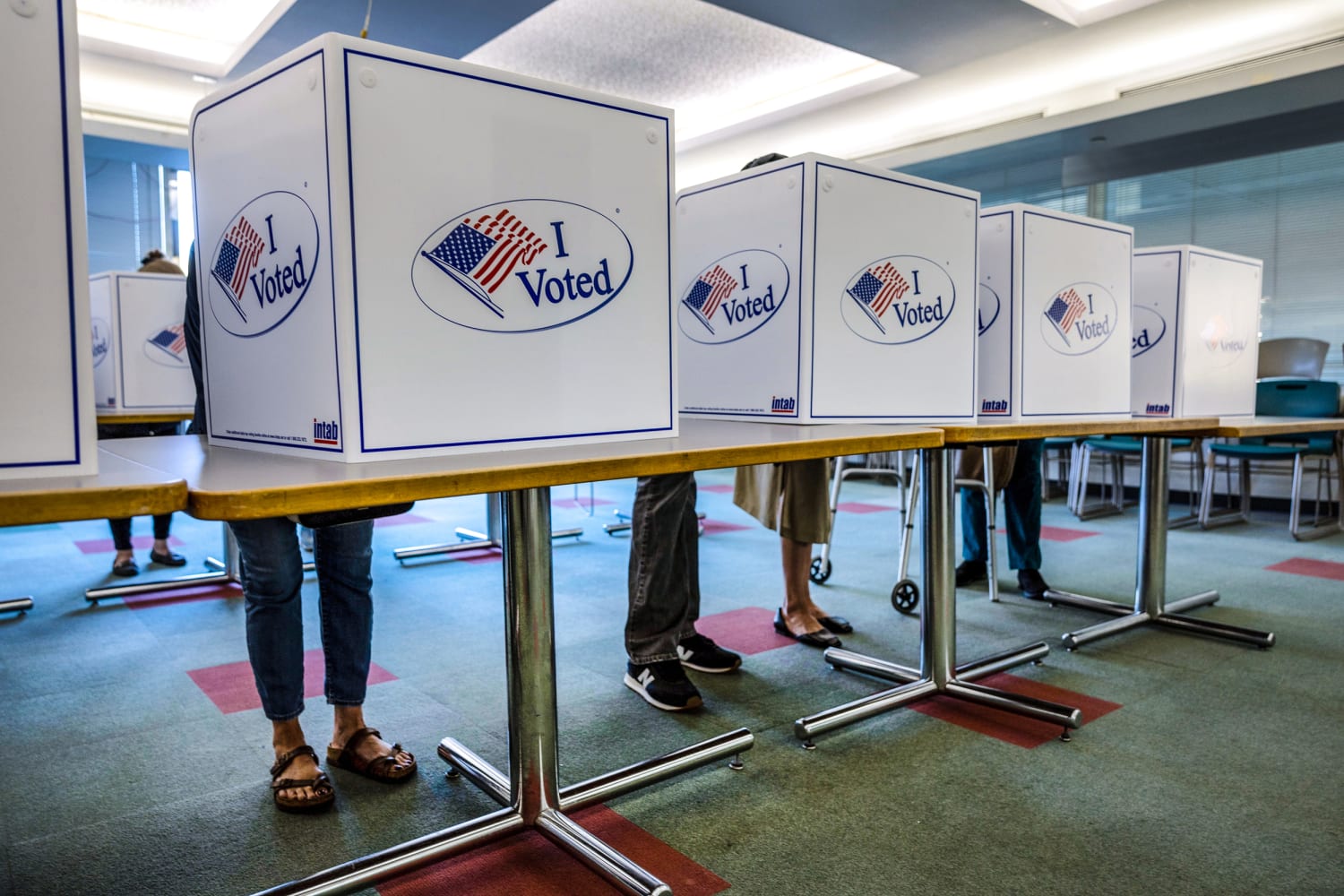
Twenty-four days before the Nov. 3 midterms, the most dangerous number for Republicans isn't an approval rating. It's an enthusiasm gap — and it's getting wider. A new Reuters/Ipsos poll found that fewer than one-third of voters who backed Donald Trump in 2024 describe themselves as "very enthusiastic" about voting this November. The voters who backed Kamala Harris? Nearly half are fired up. In a midterm, where turnout is everything, that 18-point gap is the kind of number that makes campaign managers stop sleeping.
The survey, conducted over six days among 4,506 adults online and completed Monday, Oct. 5, has a margin of error of about 2 percentage points. Its headline finding: 48% of 2024 Harris voters said they were "very enthusiastic" about voting in the Nov. 3 midterms, when control of both chambers of Congress is at stake — versus just 30% of 2024 Trump voters, Reuters reported. It adds to what Reuters described as a string of encouraging signs for Democrats, who are widely favored to win control of the House and remain competitive in the fight for the Senate.
The 62-36 split
The poll's most striking finding isn't about either candidate's supporters in the abstract — it's about what the most motivated voters actually plan to do. Among highly enthusiastic voters, 62% said they were eager to vote against Trump, while only 36% said they were excited to support him, per Reuters/Ipsos. The anti-Trump vote isn't just larger; it's the more energized one.
The same poll found men were more enthusiastic about voting — and more certain to cast ballots — than women, but with a catch for Republicans: male voters showed signs of shifting toward Democrats. Men, a group Trump carried in all three of his presidential campaigns, now back Democrats over Republicans 43% to 39% — the largest Reuters/Ipsos gap recorded during Trump's second term, per USA Today.
The coalition is fraying at the edges
Since the start of his second term, Trump's support has dropped among every major demographic group — including double-digit declines among Hispanics, men, rural and suburban voters, people without college degrees and evangelical Christians, Reuters/Ipsos found. That's the coalition that won him the popular vote in 2024, fueled by strong support from men and gains among Hispanic voters and other groups that shifted right. Every pillar is taking on water at once.
Cost of living ranks as voters' top issue heading into November, followed by Democratic values and immigration as the top three concerns, the poll found — with the war with Iran also weighing on approval. That lines up with what Democrats have been saying all cycle: this election is about prices first and everything else second. Another Reuters/Ipsos poll this week found most voters say neither Trump nor Congress is taking AI's risks seriously, but AI isn't what's driving the midterms. The cost of living is.
Republican strategist Charlie Gerow, reacting to the poll, raised the stakes for his party's turnout operation: "The enthusiasm has to be ginned up among Republicans because turnout is what's going to determine the outcome of these midterm elections." Gerow said he expects the gap to narrow as concerns about what he called far-left Democrats gaining power motivate Republican voters. That's the GOP's closing argument in one sentence: fear of the other side as a substitute for excitement about your own.
Pew piles on
The Pew Research Center's survey, released Oct. 8, confirmed the erosion from a different angle — inside Trump's own coalition. Only 67% of his 2024 voters approve of his job performance, down a staggering 28 percentage points from the start of his second term. And just 39% of Republicans said they were satisfied with the direction of the country, down from 65% at the start of his term — the lowest level recorded during his second presidency.
That last number deserves a pause. This isn't Democrats unhappy with a Republican president; it's Republicans unhappy with the country under their own party's president. When 61% of your own party says the country's on the wrong track two years into your presidency, that's not a messaging problem — it's a governance problem.
Approval hits the floor
The topline numbers are bleak in every direction. Pew's survey found only three in 10 Americans approve of Trump's job performance — a new second-term low, leaving him just one point above his lowest rating at the end of his first term. A Reuters/Ipsos poll released earlier in the week found Trump's approval at 32% for a second consecutive week, matching the lowest level the pollster has ever recorded for him across both of his terms in office.
The polling averages say the same thing. As of Oct. 9, averages from RealClearPolitics, The New York Times and Nate Silver's Silver Bulletin all showed Trump's approval in the high 30s and his disapproval around 60%, USA Today reported. When RCP, the Times and Nate Silver all agree on the shape of a number, the shape is real.
2018 is the ghost at the table
The numbers are drawing comparisons to 2018 — and the comparison is not kind. David Paleologos, director of Suffolk University's Political Research Center, told USA Today: "The job approval in October of 2018 was 44%, and he lost 41 House seats. Today his approval rating is significantly lower."
The money is already moving like it's 2018. Paleologos said party leaders may soon triage resources: "What you're going to see in the next seven to 10 days is the big money, the Republican National Committee, starting to pull money out of states. That's going to be a culture shock for some of these Republican Senate nominees." Per Associated Press reporting, Republicans have already shifted money from North Carolina's Senate race to Kansas as the fight for Senate control enters its final weeks. The polling backs the move: an East Carolina University survey found former North Carolina Gov. Roy Cooper leading Republican Michael Whatley by seven points, while a YouGov poll showed Democrat Adam Hamilton ahead of incumbent Republican Sen. Roger Marshall by three points in Kansas.
Pulling money out of a state three weeks before Election Day is the loudest admission in politics. It means the internal polling is worse than the public polling — and the public polling is already ugly.
The caveat nobody should skip
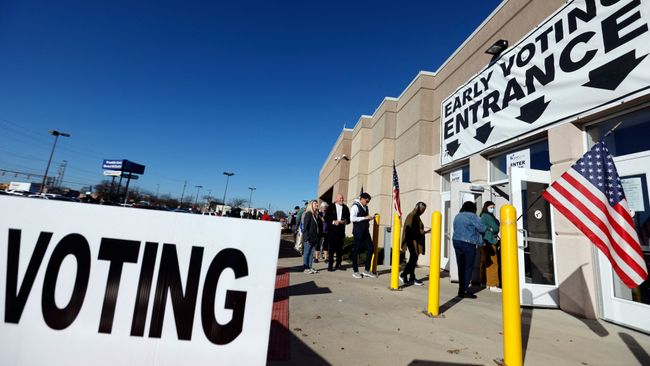
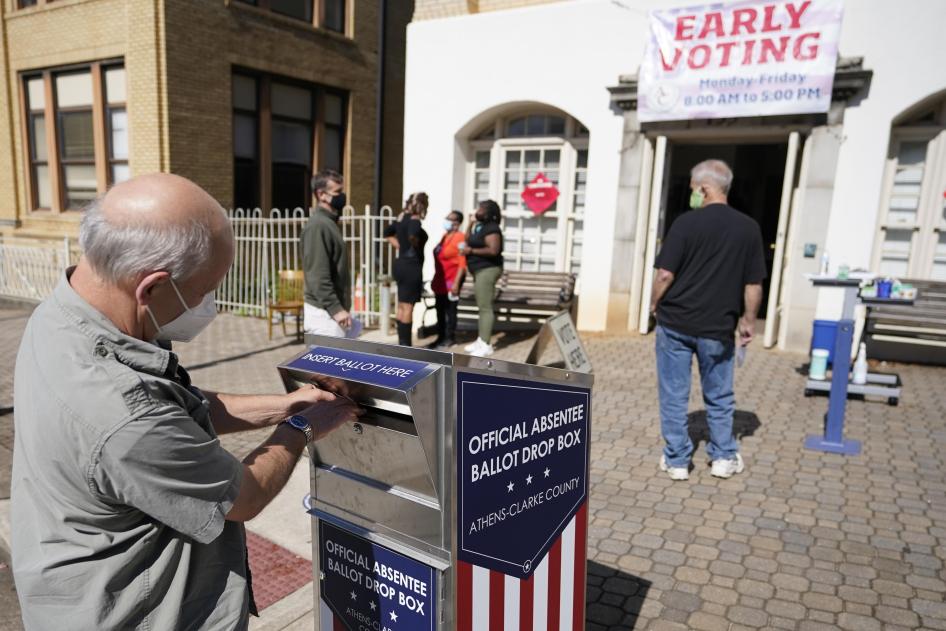
Enthusiasm polls are thermometers, not crystal balls. Democrats have held enthusiasm leads before that didn't turn into blowouts, and the one poll that matters is still three weeks away. Trump's base has been counted out before and shown up anyway — and as early voting gets underway across the country, the actual ballots will tell the story the polls are only guessing at.
But there's a difference between one bad poll and five pollsters saying the same thing in the same week. Reuters/Ipsos, Pew, RealClearPolitics, the Times, Silver Bulletin — the details differ and the conclusion doesn't: the president is deeply underwater, his own voters are the least excited people in the electorate, and the most motivated voters in America are motivated by him. When 62% of the people who can't wait to vote want to vote against you, the problem isn't your message. The problem is you.
Suffolk's Paleologos: Oct. 2018 approval was 44% before GOP lost 41 House seats; today's rating "significantly lower"; RNC expected to pull money from less-competitive states within 7–10 days. Per AP: GOP shifted funds from NC Senate race to Kansas; ECU poll: Cooper (D) +7 over Whatley (R) in NC; YouGov: Hamilton (D) +3 over Sen. Marshall (R) in Kansas.