Tyler, The Creator
Artist · Verified
Two-time Grammy-winning rapper, producer, and designer — Odd Future founder behind IGOR, Call Me If You Get Lost, and Chromakopia.
About Tyler, The Creator
Tyler Okonma — Tyler, the Creator — is hip-hop’s most fearless auteur: the Odd Future founder who evolved from shock-rap provocateur into a two-time Grammy-winning visionary, fashion designer, and festival headliner, and one of the defining artists of his generation.
The story starts in Ladera Heights, Los Angeles, where Tyler Gregory Okonma was born on March 6, 1991, and raised by his mother, Bonita Smith. A self-taught pianist who learned by ear, he was making beats on a sampler as a teenager and selling them around school before he ever picked up a mic. In 2007, at sixteen, he founded the collective that would detonate underground hip-hop: Odd Future Wolf Gang Kill Them All — Odd Future — a skate-obsessed crew of teenage misfits including Hodgy Beats, Left Brain, Jasper Dolphin, Taco, Syd, Mike G, Domo Genesis, and, soon after, Earl Sweatshirt and Frank Ocean.
Tyler’s 2009 free mixtape Bastard and his 2011 major-label debut Goblin announced a genuine phenomenon. The video for “Yonkers” — one continuous black-and-white shot of Tyler eating a cockroach and hanging himself — won Best New Artist at the 2011 MTV Video Music Awards and made him the most talked-about new rapper in America. Odd Future’s whole universe — the skate videos, the Adult Swim show Loiter Squad, the chaos of the early Tumblr era — ran on Tyler’s manic ringleader energy. He was hip-hop’s great provocateur, banned from the UK in 2015 over his lyrics, and seemingly determined to offend everyone on principle.
But the music was already outgrowing the shock. Wolf (2013) introduced lush, jazzy arrangements and the first hints of vulnerability, and Cherry Bomb (2015) — noisy, distorted, divisive — was the sound of an artist tearing down his own formula in public. The interviews from this era show a young perfectionist straining against the box the industry had built for him, insisting he was a producer and composer who happened to rap, not the other way around.
Flower Boy (2017) was the breakthrough that changed everything. “See You Again,” “Who Dat Boy,” “Boredom” — a sun-drenched, soulful, openly vulnerable record that earned a Grammy nomination for Best Rap Album and turned critical skepticism into adoration. “Garden Shed” addressed his sexuality with a candor that reframed his entire early catalog. The provocateur had become a confessor, and the songwriting had never been sharper.
Then came IGOR (2019): a blonde-wigged heartbreak concept album built on warbling synths and distorted soul, barely a rap record at all — and it debuted at #1 on the Billboard 200 and won Best Rap Album at the 2020 Grammys. “Earfquake” became his biggest hit to date. His acceptance speech, half-celebration and half-protest at being boxed into rap categories, was one of the night’s defining moments. Two years later he did it again: Call Me If You Get Lost (2021), narrated by DJ Drama in full Gangsta Grillz mode and starring Tyler’s globetrotting “Tyler Baudelaire” persona, debuted at #1 and won Best Rap Album at the 2022 Grammys. Back-to-back Grammys, back-to-back #1s, zero compromise.
The music is only half the empire. Golf Wang, the clothing label he founded in 2011, grew from OFWGKTA merch into a genuine streetwear force; Golf le Fleur* brought his pastel, preppy-floral aesthetic to Converse, Lacoste, and eventually Louis Vuitton, where he was tapped to design menswear. His Camp Flog Gnaw Carnival, held at Dodger Stadium, became one of hip-hop’s essential festivals. On television he made Loiter Squad for Adult Swim, Nuts + Bolts for Viceland, and even composed the theme for Bill Nye Saves the World — because of course he did.
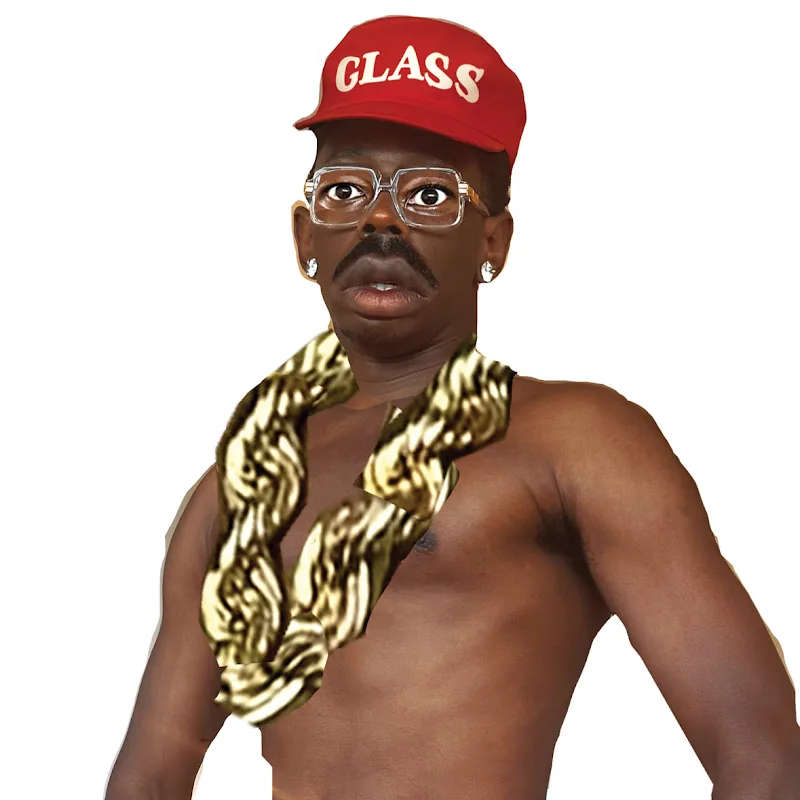
Chromakopia (2024) might be his most personal record yet. Released on a Monday — October 28 — because Tyler wanted fans to listen fully awake and undistracted, the album is narrated by his mother, Bonita Smith, as a diary piecing together his life at 33: paranoia, aging, fatherhood, identity. Self-written, self-produced, and self-arranged as always, it features Daniel Caesar, Doechii, Lil Wayne, ScHoolboy Q, Santigold, and more, debuted at #1 in nine countries, gave him his third US #1 and the biggest first week of his career, and earned nominations at the 68th Grammy Awards including Album of the Year. The Chromakopia: The World Tour ran from February 2025 into 2026 with Lil Yachty and Paris Texas. He followed it with the dance-driven Don’t Tap the Glass (2025) — another #1 — and a scene-stealing 2026 Grammys performance alongside Regina King as a gas station attendant, rapping atop a red Ferrari. Acting came next, with a turn in Josh Safdie’s Marty Supreme.
Tyler, the Creator matters because he is the genre’s great coming-of-age story made real — the kid who started as hip-hop’s loudest troll and became its most complete artist, producing, directing, designing, and world-building at a level few musicians in any genre can touch. Every album is a reinvention; every era has its own color palette, typography, and universe. He didn’t just grow up in public — he made growing up the art itself.
Platforms + audience
Every count stamped with its source and date — real numbers only.
Follow Tyler, The Creator
Official links — we send you to Tyler, The Creator, we don't pretend to host it.
More on Previously
Where else Tyler, The Creator turns up on Previously — and where their corner of the site continues.
More like Tyler, The Creator
Same lane — Music creators from the hub.