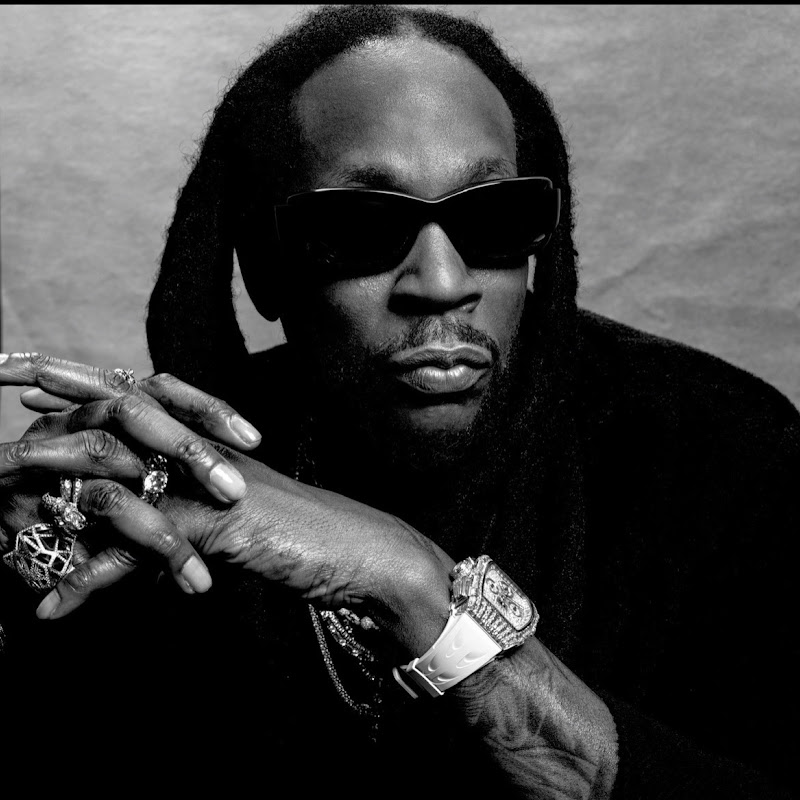
Ice Cube
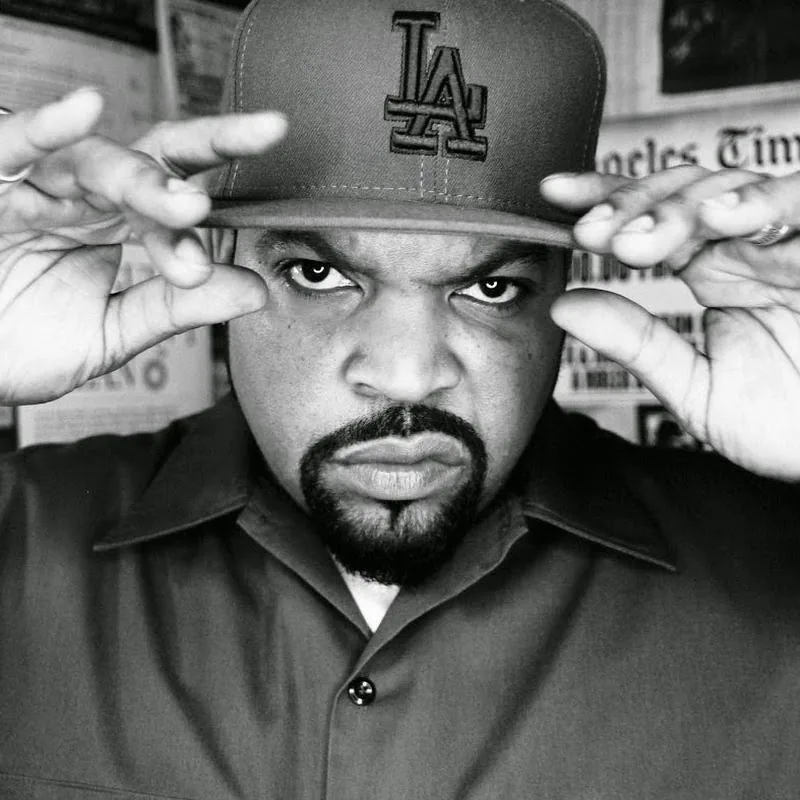
Artist · Verified
Ice Cube — O’Shea Jackson — is hip-hop’s most complete mogul: N.W.A lyricist, solo rap legend, Hollywood star, and BIG3 league founder.
About Ice Cube
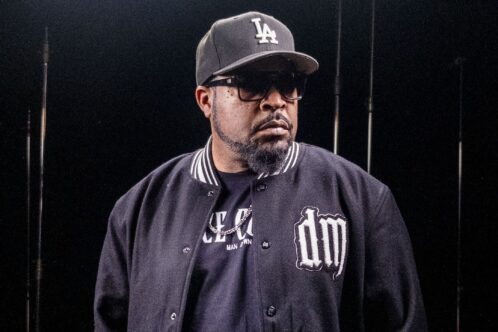
O’Shea Jackson — Ice Cube — is hip-hop’s most complete mogul: N.W.A’s chief lyricist, a solo rap legend, a Hollywood star, a screenwriter, and a sports-league founder, often in the same decade. Born June 15, 1969, in South Central Los Angeles, he wrote the words that made gangsta rap the most consequential American music of its era — then spent the next thirty years proving the pen was only the beginning. The kid who wrote “Fuck tha Police” also wrote Friday. Nobody else’s résumé reads like that.
The N.W.A chapter is history, literally. As the group’s primary lyricist, Cube wrote the verses on Straight Outta Compton (1988) that turned Compton reportage into national crisis — “Fuck tha Police” drew an FBI warning letter and made the group the most dangerous in America. He left in 1989 over money, and the split produced the most vicious diss records of the era in both directions. The Rock and Roll Hall of Fame induction in 2016 was the establishment’s surrender: the group they tried to censor, enshrined.
The solo run proved the pen worked without the group. AmeriKKKa’s Most Wanted (1990) — recorded in New York with Public Enemy’s Bomb Squad — Death Certificate (1991), The Predator (1992), Lethal Injection (1993): a four-album run that stands with any in rap history. The politics never softened and the craft never slipped; “It Was a Good Day” remains one of the most beloved singles ever recorded, a perfect three minutes of peace in a catalog built on war.
The Westside Connection chapter gave the West Coast its victory-lap anthems when the coasts were at war. The mid-’90s supergroup with Mack 10 and WC turned “Bow Down” into a flag planted — every phase of the career has its anthem, which is another way of saying the pen never missed.
Hollywood should have been the hard part. Instead, Cube made the jump look easy: Boyz n the Hood (1991) announced a real actor; Friday (1995), which he co-wrote and starred in, became a cultural institution that spawned a franchise; Barbershop (2002) and its sequels; Are We There Yet? and the family-comedy era that proved his range; the 21 Jump Street films; the action years. The transition from gangsta rap’s angriest voice to one of film’s most bankable everymen shouldn’t have worked. Cube’s filmography is the argument that range is a discipline.
The writing is the throughline people forget. Friday wasn’t just a starring vehicle — he wrote it, building a stoner comedy out of South Central texture the way he’d built verses out of it. The screenwriter’s eye and the lyricist’s ear are the same instrument; Cube has always been, first, a writer who performs.
The mogul era is the longest chapter. Cube Vision, his production company; the BIG3 — the professional 3-on-3 basketball league he founded in 2017, now a fixture of the summer sports calendar with Hall of Famers on rosters and real TV money behind it; film and TV producing; the endless business portfolio. He doesn’t join industries; he founds them.
The political voice never went quiet, either. The same writer who documented police brutality in 1988 was still writing policy in 2020 — the Contract with Black America, his economic empowerment plan, put him in rooms with both presidential campaigns. The throughline is unbroken: Cube has been saying the same things for nearly forty years, in verses, films, and white papers.
The cultural footprint keeps compounding. N.W.A’s story became the 2015 blockbuster Straight Outta Compton — Cube played by his own son, O’Shea Jackson Jr., a casting choice that says everything about legacy. The catalog gets sampled, quoted, and taught; “today was a good day” is folk language now. And the YouTube channel — 4.32 million subscribers — keeps the archive live for the generation that found him through their parents’ playlists.
What endures is the completeness. Rapper, writer, actor, producer, league founder: there is no second act in the Ice Cube story because he never stopped adding first acts. From Compton to the Hall of Fame to the boardroom, the arc is American culture’s own — the angry young man who became the wise mogul without ever losing the pen.
The Friday economics tell you everything about his instincts. Made for a few million dollars, the 1995 film grossed many times its budget and spawned a franchise — Next Friday, Friday After Next — that became a permanent fixture of Black American culture. Barbershop did the same trick: a modest comedy about a Black-owned business that played like a community meeting and printed money. Cube understood something Hollywood kept missing — underserved audiences show up when you respect them — and he built a producing career on it.
He’s also the template. The rapper-to-mogul pipeline that Jay-Z, Diddy, and 50 Cent later ran to its logical conclusion has Cube’s footprints all over it: the production company, the film slate, the sports league, the brand portfolio, all built while the music never stopped. He did it first, did it without a blueprint, and did it without ever softening the politics that made him famous. The angry young man and the wise mogul turned out to be the same person — that was the trick all along.
Platforms + audience
Every count stamped with its source and date — real numbers only.
Follow Ice Cube
Official links — we send you to Ice Cube, we don't pretend to host it.
More on Previously
Ice Cube is one of the music creators the hub tracks. Here is where that world continues on Previously.
More like Ice Cube
Same lane — Music creators from the hub.