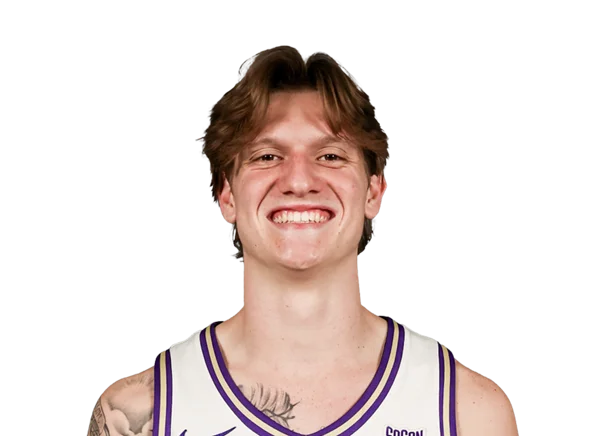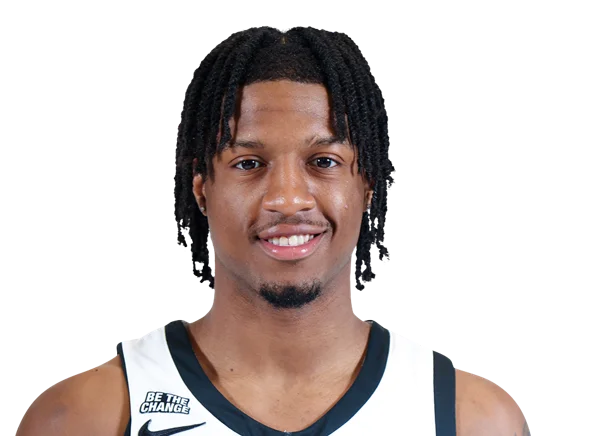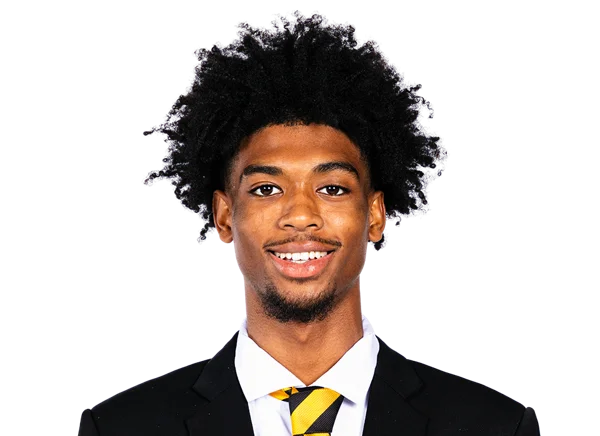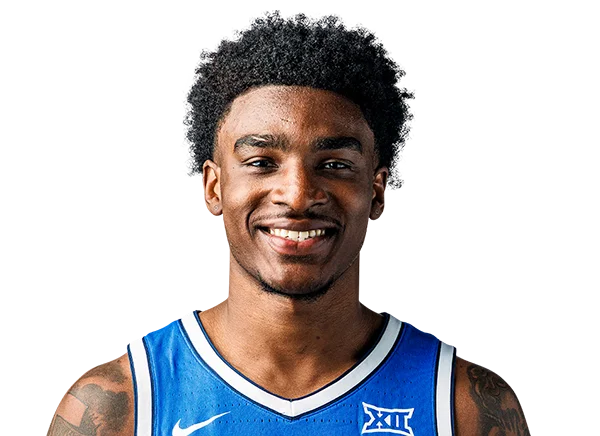
Year five of the Dennis Gates era is the one that will define it. The Missouri Tigers reached the NCAA Tournament in three of Gates’ first four seasons in Columbia — but have just one tournament win to show for it. The 2026–27 season arrives with a roster rebuilt from the ground up and a freshman class billed as one of the best in program history. In the SEC, where rosters turn over completely every spring, this is the all-in push: elite talent, portal-tested veterans and a coach who knows the clock is ticking.
The program’s ceiling is real and documented. Under Norm Stewart (1967–1999), Mizzou won eight Big Eight regular-season titles and made 16 NCAA Tournaments, peaking with the 1994 team that went 25-1 and earned a No. 1 seed. Quin Snyder’s 2002 squad reached the Elite Eight. The Tigers have been a national seed, a Final Four threat, a program that expects March to matter. Gates was hired in 2022 to restore exactly that — and his 2022–23 debut team won 25 games and reached the second round. The rebuild since has been rockier, and last March ended in heartbreak: a first-round NCAA loss to Miami (FL) in St. Louis, in front of a bipartisan Enterprise Center crowd, with forward Trent Pierce driving into history in the game’s defining image.
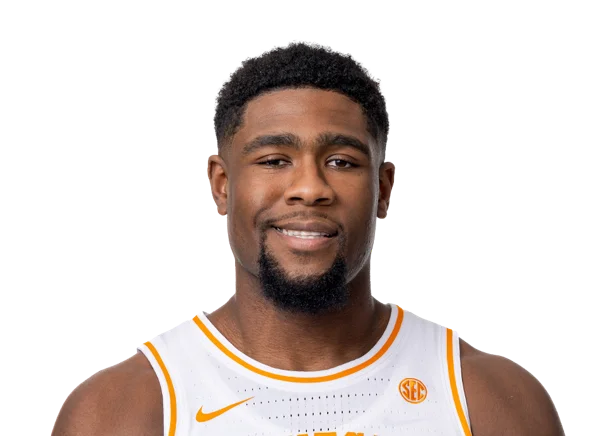
This offseason, Gates attacked the portal with a thesis. The Tigers added Kansas forward Bryson Tiller (6-foot-11, 6.1 rebounds per game, 1.3 blocks in 26 minutes), Providence wing Jamier Jones (6-6, 4.5 rebounds per game) and Tennessee big man Jaylen Carey (6-8, 267 pounds, a top-10 national offensive rebounder). As the Columbia Tribune noted, all three graded out as better defensive prospects than anyone on last year’s roster by Defensive RAPM — a direct answer to the criticism that Gates teams have been soft on the glass and leaky on defense. Gates’ own description was physical: “Those guys have shoulders, hips, strength and natural physiques, and they play the game in a wedging way.”
The backcourt got help too: BYU transfer Kennard Davis Jr. could start at the two, and South Dakota transfer Jordan Crawford — a Second-Team All-Summit League pick who averaged 14.4 points and shot 36.8 percent from three, including an 18-point outburst against Mizzou itself last December — brings shot-making off the bench.
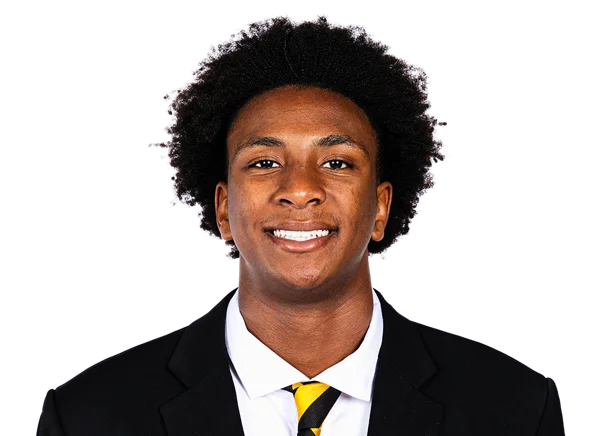
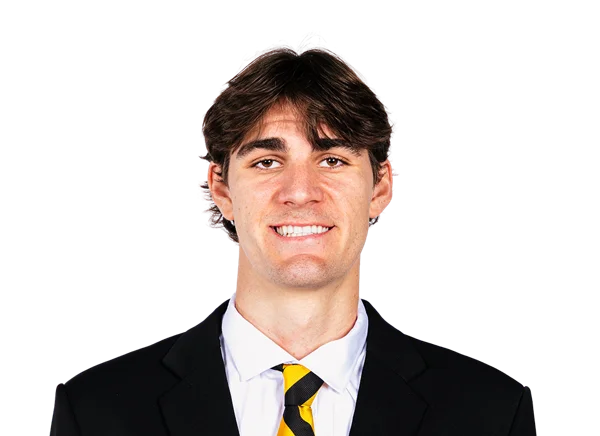
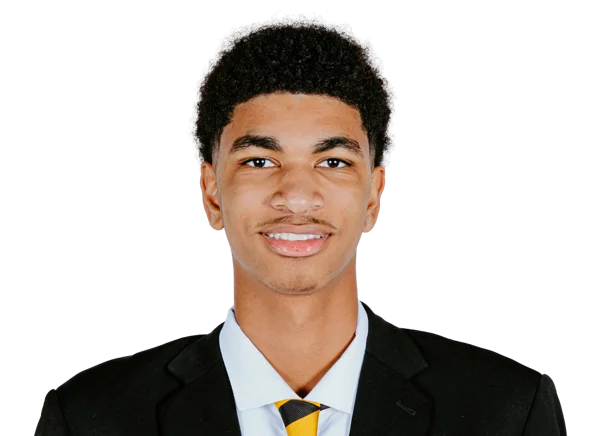
But the season’s gravitational center is the freshman class. Five-star point guard Jason Crowe Jr. headlines a group ranked No. 13 nationally and No. 3 in the SEC by 247sports, joined by five-star forward Toni Bryant and four-star 6-foot-7 sharpshooter Aidan Chronister. Gates told CBS Sports’ Jon Rothstein this summer that the pieces fit around Crowe’s star power: length, shooting and the kind of athletes who can survive the SEC’s nightly meat grinder. Mizzou may only get one season of Crowe before the NBA comes calling — the urgency is the point.
The holdovers matter. Trent Pierce blossomed into one of the SEC’s best outside shooters during league play last season and returns as the veteran wing. Annor Boateng, the former five-star from Little Rock, is back for his junior year. And 7-foot-4 center Trent Burns — one of the tallest players in college basketball — gives Gates a true rim presence in reserve. Anthony Robinson II, Sebastian Mack and T.O. Barrett round out a deep guard rotation.
The sideline is new, too. Gates completed his 2026–27 staff in May with four new assistants — Tavaras Hardy, Jimmie Foster, Jason Crowe Sr. (the five-star’s father) and Zach Reynolds — a mix of college player-development veterans and elite high school mentors. And for the first time in Gates’ tenure, roster construction isn’t all on him: general manager Tim Fuller, hired in June 2025, owns portal strategy, agent relations and NIL optimization full-time. The modern college program, with a front office to match.
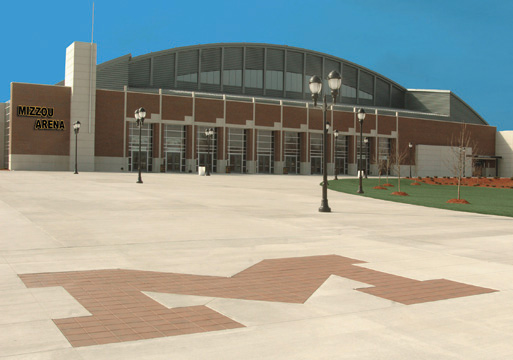
The setting is one of the SEC’s great rooms. Mizzou Arena seats 15,061 in Columbia, and the student section — the Antlers — remains one of college basketball’s loudest traditions. When the Tigers are good, the building shakes; when Kentucky or Kansas walks in, it’s as hostile as anywhere in America.
The Border War with Kansas remains the program’s emotional center, even with the rivalry on hiatus from the regular rotation — the 2012 overtime classic in Lawrence is still the most-watched game in Mizzou Arena history. And the Tigers’ NBA pipeline keeps the recruiting pitch credible: from Anthony Peeler and Doug Smith through Keyon Dooling, Kareem Rush and more recently Kobe Brown and D’Moi Hodge, Columbia has long been a place where pros are made. Gates’ staff overhaul — Hardy from Northwestern State, Foster from the Chicago high school scene, Crowe Sr. from the grassroots circuit — is designed to keep that pipeline flowing through the NIL era, where relationships with AAU programs and agents matter as much as X’s and O’s.
The 2026–27 SEC will be a gauntlet as always — Florida kept its core intact and looks like the nation’s best roster, and the portal has remade half the league. But Mizzou’s bet is simple: pair a generational freshman class with the biggest, most physical portal haul of the Gates era, and find out if talent plus toughness equals March wins. Three tournaments in four years got Gates here. What happens this March decides what comes next.