The East Carolina Pirates are college basketball’s great unfinished project — a program with a football school’s passion, a basketball history of mostly heartbreak, and, as the 2026–27 season begins, one more chance to get it right. Fifth-year head coach Michael Schwartz kept his job after an 11-20 campaign, backed by an athletic director who chose continuity over chaos in the portal era, and he has responded by turning over nearly the entire roster: three returners, twelve newcomers, and a practice gym full of the one thing last year’s team lacked — edge. In Greenville, they call the student section the Boneyard. This season, the Pirates are trying to give it something to howl about.
The history explains the hunger. East Carolina has produced exactly three winning seasons in the last 29 years, and one of them was Schwartz’s own 19-14 breakthrough in 2024–25 — a campaign that had Pirate Nation dreaming of a corner turned. Instead, injuries and inconsistency torpedoed 2025–26 from the start, and by February the Pirates were 7-15 and the vultures were circling. That is when athletic director Jon Gilbert wrote his letter to the fans: the results had not met expectations, the injuries were real but not an excuse, and after a months-long evaluation of roster construction, recruiting and investment, the verdict was that Schwartz — hired in March 2022 to replace Joe Dooley after six years as a Tennessee assistant under Rick Barnes — remained the best bet to get ECU to March. In today’s game, Gilbert argued, stability beats another teardown.
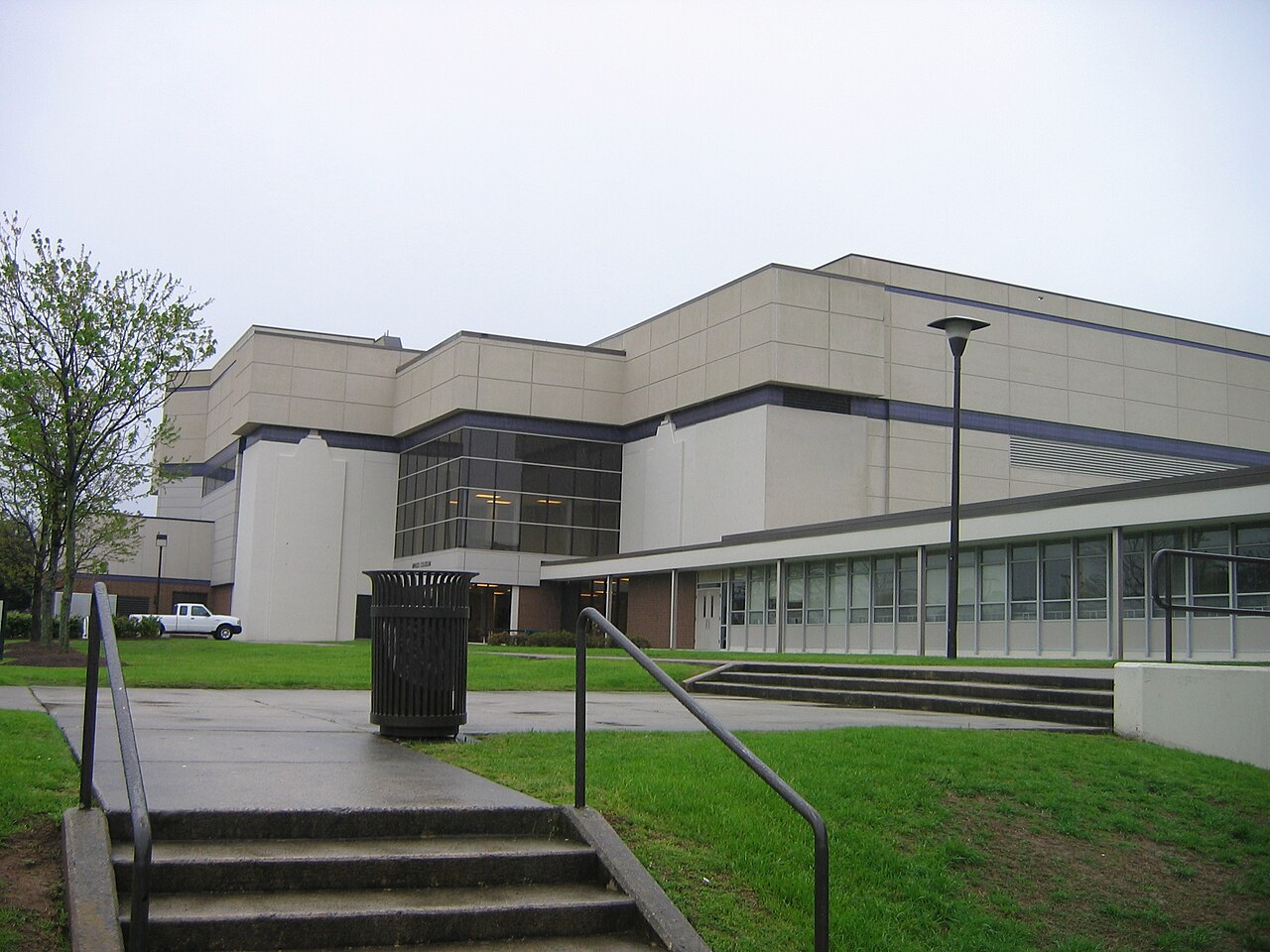
The program’s high-water marks are few enough to recite. The 1993 team, under Eddie Payne, won the CAA tournament and reached the NCAA tournament — still the program’s only Big Dance appearance — running into North Carolina in the first round. Everything since has been the long American Conference grind: realignment chaos, coaching changes, and seasons that start with hope and end in the league tournament’s early rounds. The Boneyard, though, never stopped showing up. Williams Arena at Minges Coliseum remains one of the league’s most intimidating rooms when it is full, a purple-and-gold wall of noise in eastern North Carolina.
The 2026–27 rebuild is the most aggressive of Schwartz’s tenure, and it starts with the backcourt. Cian Medley, the Kent State transfer, has emerged in preseason practice as the team’s unmistakable leader — the rare newcomer who calls out teammates, sets the tone, and plays like the season depends on it. That matters because last year’s Pirates, by all accounts, had no on-court alpha: talented but quiet, rudderless in close games. Medley is the antidote, and the early returns from practice suggest the locker room has already followed him.
The talent around him is real. Brycen Blaine arrives from Charleston Southern as one of the portal’s most productive mid-major scorers: 17.2 points and a team-best 7.2 rebounds per game last season, three Big South Player of the Week honors, ten 20-point games, and a 42-point, 11-rebound, 8-assist eruption against The Citadel that earned him Mid-Major Madness National Player of the Week. Kaden Cooper, from Louisiana Tech, brings 9.7 points, a team-high 7.7 rebounds, 44 steals and six double-doubles — including the first 20-rebound game by a Bulldog since 2009, a 10-and-20 night against UL-Lafayette. Kaseem Watson (UTEP) adds more veteran wing scoring. The three returners — senior guard Jayshayne Woodard, forward Eli DeLaurier and guard Daithi Quinn — provide the only continuity on a roster with twelve new faces.
What has the staff buzzing, beyond the talent, is the temperament. Practice reports describe a team with fire: Medley’s vocal leadership, Blaine and Cooper’s daily intensity, Watson’s quiet seriousness. After a season defined by soft moments in close games, Schwartz has assembled a roster that competes first and asks questions later. The non-conference schedule cooperates with the rebuild: the Pirates open November 2 against USC Upstate, host UNCW on November 7, travel to the Paradise Jam, and face Richmond, Coastal Carolina and Campbell at home — with the only true road game a December 13 trip to Appalachian State in Boone. It is a slate designed to let a new team learn how to win before the American Conference schedule arrives.
The American remains a bruising league, and the Pirates will be picked in the lower half until they prove otherwise — they have earned that skepticism. But the ingredients for a leap are visible: a proven head coach with a 19-win season on his résumé, a portal class headlined by two of the most productive transfers in the mid-major ranks, a point guard who leads like a senior captain, and a fan base that fills the Boneyard at the first sign of hope.
What defines East Carolina right now is the convergence of patience and urgency. The administration’s bet on continuity only pays off if this season looks different — and Schwartz knows it. In Greenville, they have waited a generation for a program that matches the passion of the building. The 2026–27 Pirates are his answer: new faces, new fire, and one more chance to turn the Boneyard into a March destination instead of a February consolation. The Pirates’ story has always been about the wait. This season is about ending it.