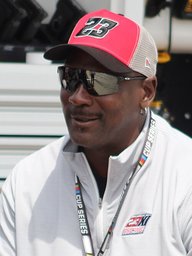
The Bulls are the house that Jordan built — and the most globally recognized brand in basketball history. Founded in 1966, they spent their first two decades as a respectable, unremarkable franchise. Then the 1984 draft delivered Michael Jordan, and nothing in sports was ever the same. Six championships in eight seasons, two three-peats, a 72-10 record in 1996 that stood for twenty years: the 1990s Bulls didn't just win, they became a cultural empire.
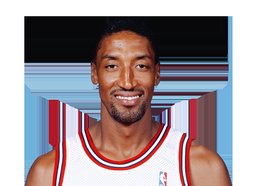
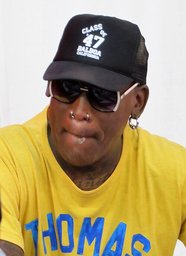
The details are mythology now: The Shot over Craig Ehlo in 1989. The Flu Game in the 1997 Finals. The Last Shot over Bryon Russell in 1998 — the perfect ending, Jordan holding the follow-through as the dynasty walked off into the sunset together. Phil Jackson's triangle offense, Scottie Pippen's two-way genius, Dennis Rodman's beautiful chaos, Toni Kukoc, Steve Kerr: the most famous supporting cast ever, and every piece essential.
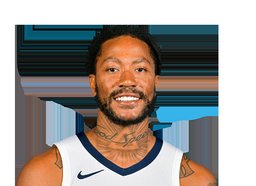
The post-Jordan decades have been a long search for the next era. The Derrick Rose years were the closest thing — the youngest MVP in league history in 2011, a Chicago kid carrying the city, until the knee injury in the 2012 playoffs broke everyone's heart. The franchise has been good, occasionally very good, but the shadow of the banners is seventy feet long.
The post-dynasty Bulls (1999-present) have been chasing ghosts: the 2011 Rose MVP season (the 62-win team, the conference finals) was the closest the franchise came to recapturing the magic, and the what-if of Rose's knee still haunts the United Center. The DeRozan-LaVine-Vucevic era (2021-24) brought play-in purgatory — good enough to matter, never good enough to contend — and the teardown began. The Giddey-White young core is the new direction: pace, playmaking, and the hope that the next era arrives sooner than the last rebuild took. The United Center's Chicago crowd brings the dynasty's shadow: the Jordan statue, the six banners, the expectation that never fully left. The Central Division wars with Milwaukee and Indiana define the season. What the Bulls are now is a franchise in transition — the play-in years the lesson, the young core the bet. In Chicago, the standard is the nineties, and everything else is just waiting.
What defines the Bulls is that they are simultaneously a dynasty and a drought: six titles, all in the nineties, none since. The United Center still sells the Jordan statue and the banners because they remain the most potent symbols in the sport. Every Bull since has played in the echo of the greatest team ever — and the city is still waiting for the noise to start again.